Living in Costa Rica on $1,000 vs $2,500 mo. (2025) — How inflation Shapes Your Budget
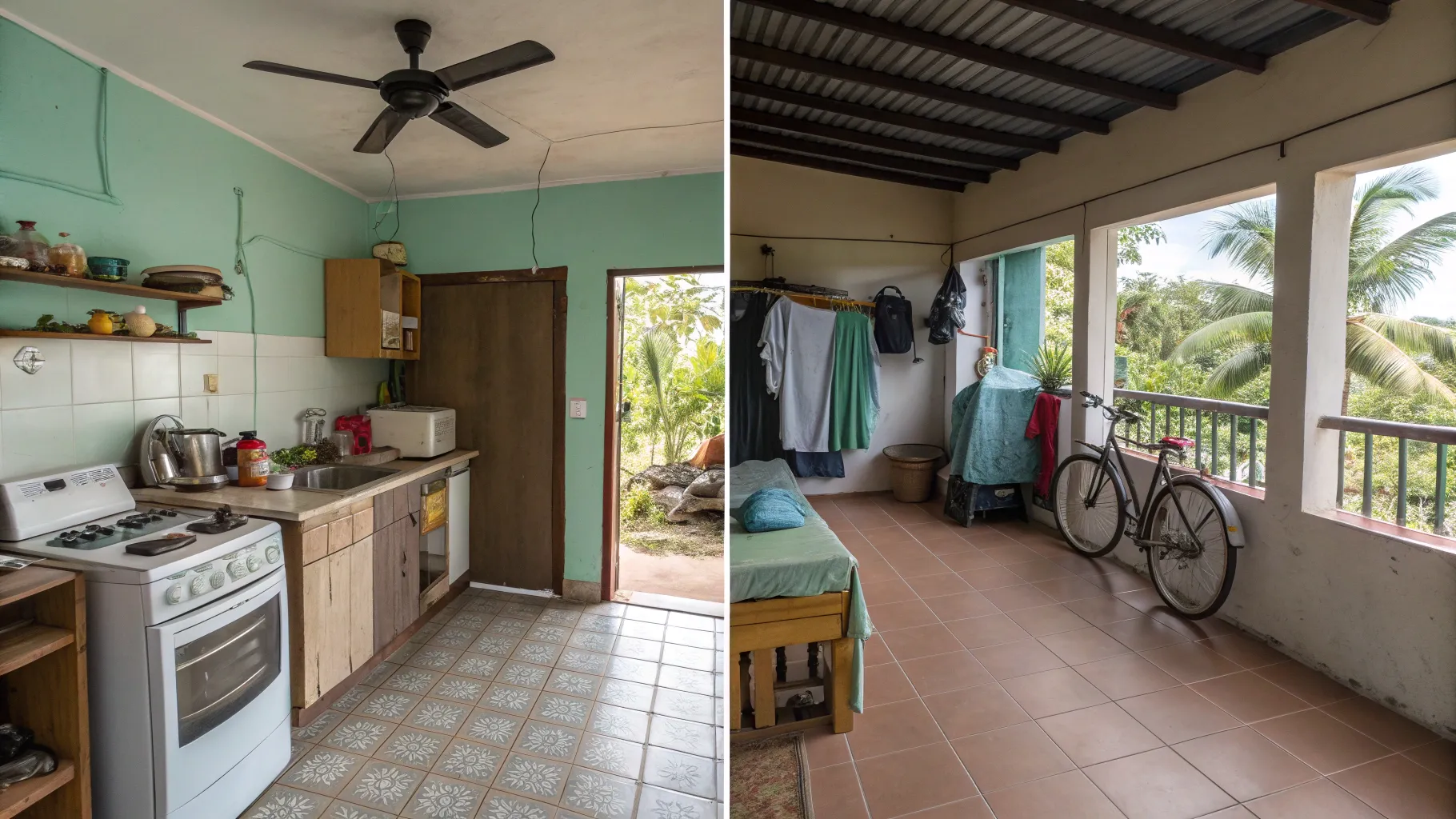
This article shares more details based on SEO Hobby Expert’s helpful blog about life in Costa Rica in 2025. It mainly looks at how rising prices can change what you can buy with your money. If you have seen the blog, you probably know the main point. The blog puts a simple, low-cost life at around $1,000 per month, while a more relaxed and settled life needs about $2,500 per month. But when prices go up, things feel different. You do not get as much for your money. Rent can go higher, and so can the price of food and transportation. In this guide, I will show real costs, use examples from the blog, and offer smart tips. This should help keep your spending under control so you can still enjoy life in Costa Rica, even with prices going up.
Table of Contents
Introduction: Why inflation matters when moving to Costa Rica
What a $1,000/month budget buys you (living on a tight budget)
Introduction: Why inflation matters when moving to Costa Rica
When you want to move to another country, the numbers on paper might seem great. You see cheaper rent, the chance to surf every day, and fresh fruit to enjoy. It all sounds good—pura vida. But life is about more than these numbers. Prices go up over the years because of inflation. Food, services, and places to live can cost more as time goes by. In Costa Rica, things brought in from other countries, like electronics, get more expensive. Gas prices can go up too, and so can the cost of services that use things from outside Costa Rica. So, your plan to live there for $1,000 each month may not work as you get into the next year if you do not think about rising prices.
SEO Hobby Expert’s blog talks about two main ways to live in Costa Rica. The budget choice costs around $1,000 each month. A more comfortable choice will go up to about $2,500 per month. You can still do both in 2025, but prices are rising because of inflation. It's not easy now to find a place for just $89 each month like before. This story looks at the numbers he shares and shows how inflation changes every cost. It also gives ideas to help keep your budget safe.
Quick reality check: living vs. thriving
SEO Hobby Expert says something important: there is the living in Costa Rica, and then there is thriving in Costa Rica. With a monthly budget of $1,000, you get the basics. You have a bed, a fridge, Wi‑Fi, and local food. You live there and see the local culture.
But to thrive, you need more money each month. Thriving means you have a car, eat out often, use private health care, and stay in better housing. To do this, you need to be ready for prices to go up because of inflation.
What a $1,000/month budget buys you (the budget life)
Many people want to know, "Can I live in Costa Rica for less than $1,000 each month?" The answer is yes. You need the know-how of the local area, a way to keep to a plan, and be ready to live with less. Here is the straight talk that SEO Hobby Expert gives, and what rising prices mean for these costs:
Rent: $300–$500
If you have a strict budget, you will need to look for a small studio, shared home, or a hostel. In places like Uvita or Dominical, it is still possible to find a small place with a bed and fridge for about $300 to $500. Rising prices make it more costly to keep up and fix problems in places, which leads to higher rents. This means the cheapest rentals can go up and down in price during some times of the year and when things cost more.
Food and groceries: ~$200
Smart shopping is important. SEO Hobby Expert says to cook, eat at sodas, and buy local produce. With prices going up, foods from other countries and packaged items cost more than local fruit and everyday foods. When you buy at local markets and eat at sodas, you do not feel the price jump as much. A breakfast at a soda for $4 can be enough to last you all day.
Transportation: ~$50
Using the bus and sometimes renting a bike helps keep travel costs down. Rising costs can make fuel more expensive. This may lead to higher bus fares, but local bus rides are still one of the cheapest ways to travel. Set aside about $50 for your budget. Add some extra in case fuel prices go up because of inflation.
Utilities: ~$60
Utilities for budget rentals are often simple or come with the rent. You may need to pay for electricity, and if you use AC a lot, your bill will be more. You will usually pay for basic internet too. Sometimes you might pay for water. Prices go up because of inflation and this can change the cost of making electricity and setting up internet. The biggest thing that decides your bill is your AC and how often you turn it on.
Phone/data: minimal
If you are spending less, stick to Wi‑Fi. You can buy a local SIM card. Add small amounts of call or data to it. SEO Hobby Expert says you can get “one mil” for about $2. Prices for SIM cards do not change much because of rising costs. But you should keep in mind that money problems in the area can change what you pay for phone plans, especially if you want a plan with no limits.
Entertainment & misc: ~$150 total
Set aside $100 for meeting people and tours. Keep $50 for toiletries and basic things at home. Inflation makes the cost of fun activities and imported goods go up. So, it is good to pick local options and things that do not cost much, like going to the beach or hiking. This helps you stay within the budget.
What a $2,500/month budget buys you (the comfortable life)
If you want more stability, having $2,500 a month can help you do that. With this amount, as SEO Hobby Expert says, you can buy a car, rent a better two-bedroom home, and do more things like eating out and other fun activities. Here is the breakdown and what to know about prices going up over time:
Rent: $1,000–$1,200
With $1,000 to $1,200, you can rent a two-bedroom house in some places. The house may have modern features or a pool if you look at the right spot. Inflation can change what it costs to own a home or pay property taxes, and the landlord may increase your rent to include those extra costs when your lease is renewed. Still, rent is a good deal for this price when you compare it to other spots in North America.
Food and groceries: ~$400
Eating out more often, buying both local and imported foods, and shopping at big stores instead of only local ones can make your food bill higher. There is more rise in the price of things brought from other places, like coffee, alcohol, and boxed foods. Local fruits and vegetables stand up better to price changes and do not go up as much.
Transportation: $200–$300 (with car)
Owning a car is a big change. You will have to spend about $200 to $300 each month for gas and regular care of the car. Inflation makes gas and parts cost more, so it is smart to have some extra money set aside for emergencies. If you buy a used car, those prices can also go up because it is harder for people to get cars.
Utilities: $100–$200
Renting a bigger place with air conditioning means you will use more electricity. A faster and steadier internet plan often costs more. Inflation can cause bills from your service providers to go up or down each month.
Phone/data: ~$50
A plan with no cap or a trusted data package will have a higher price. Still, it is easy for people to use. Inflation does not change the price much in this case, but if it costs more for the companies to run, it can show up in what customers pay.
Health insurance: ~$150 (estimate)
Private or expat health insurance is a good idea. Insurance rates often go up when prices rise in the health sector, so you might see slow price increases over time. SEO Hobby Expert uses the number $150, but costs can be very different, depending on age and how much coverage you want.
Entertainment & misc: ~$300 + $100
People now travel more, join gyms, go to yoga classes, and eat out more often. This makes entertainment cost more. Also, it is good to set aside some extra money for things the house may need and toiletries, too. When prices go up, it can make things like classes, tours, and nightlife more expensive.
Line-by-line: How inflation affects each expense category
Understanding how inflation affects different categories can help you plan. Below, you can find practical effects and ways to lower the impact for each main budget item.
Rent
Result: Landlords change rents as time goes by. This helps cover price increases and higher upkeep costs.
Steps you can take: Sign leases for longer at fixed rates when you can, talk with your landlord to get utilities included, or pick towns outside big cities where rising prices are less of a problem.
Food & groceries
Change: Food from other countries and packaged items may cost more and go up in price quicker than fresh local food. At restaurants, they might ask you to buy more or give bigger amounts to cover what they spend.
What to do: Shop at nearby markets and eat with friends or family at sodas. Buy fruits and veggies that are in season and make food at home. Try to buy less imported food to stay away from high prices.
Transportation
Effect: When fuel prices go up, it makes bus fares higher and it costs more to drive a car.
Countermeasures: Try to use public transport when you can, and carpool with others. It helps to keep your car in good shape so you do not pay for big fixes. You can also look for cars that use less fuel.
Utilities & phone
Effect: When there is inflation, the cost of things like electricity, water, and internet goes up for people. If you use your AC more, your electricity bill will be higher.
Countermeasures: Try not to use the AC too much. Use fans to help keep cool. Pick simple internet plans if you can, and do big data tasks when you are on Wi-Fi.
Healthcare
Healthcare inflation can make insurance cost more. It can also raise out-of-pocket costs.
To help with this, compare local and private insurance plans. Think about having some emergency funds, and use public healthcare if you can get CAJA in Costa Rica. You can also look into short-term travel insurance if you are just visiting.
Leisure & services
Impact: When service-based inflation goes up, the price of things like tours, fitness classes, and places to eat also go up.
Countermeasures: Put free or cheap activities first, like going to beaches or hikes. Look for local deals, and join community groups to get discounts.
Where to live: regions and how inflation plays out locally
Where you live matters. The Central Valley, mountain towns, and beach towns by the coast all feel inflation in different ways.
Uvita / Dominical (Southern Zone): Many surfers and people from other countries like this place. Tourist demand can make prices go up during busy months. You may feel price changes more in places that serve tourists. But the local markets and sodas have many low-cost choices. SEO Hobby Expert often talks about Uvita as a hub where you can get the beach, the mountains, and the rivers.
Guanacaste (northwestern coast): A lot of tourists come here and many resorts have been built. This can mean higher rent and food prices. Price changes often feel bigger in services and places to live.
San José / Central Valley: Prices feel steadier here. It is easier to find services and places to shop. Food and goods prices are less likely to change fast because there is easier delivery. But living here usually costs more than smaller beach towns.
Smaller Tico towns: You can live for less money here. The cost of living goes down, and tourist price changes are not a big deal. If you move away from the main tourist spots, even just by a short bus ride, you may see your bills drop each month.
Practical tips to make inflation work for you (or at least not against you)
Many of SEO Hobby Expert’s tips come from real, local habits that help lessen how much inflation changes things. Here are easy steps you can use before you get to your place and after you arrive.
Learn to shop locally. Buy fruit and vegetables that are in season. Go for markets, and get to know vendors in your area. Food grown nearby is less at risk from price rises that happen worldwide.
Choose location wisely. Look at towns where you find less tourists. These places usually do not have big jumps in prices for homes or other needs.
Negotiate and secure longer leases. If you will be staying for more time, ask for a deal on your rent. Try to lock in a stable price, or ask if there can just be a small change each year linked to prices in the country.
Use public transport. Taking buses helps save the money you spend on fuel and car checkups. Set some extra money aside because bus prices can go up if fuel gets more expensive.
Limit AC use. Using fans and letting air move in instead can save a lot on the money you spend for electricity.
Top up a local SIM with small amounts. If you want to save each month, pay a little at a time on your phone plan. This way, you can keep your cost low and be less hit by price rises from the phone company.
Build a fund for repairs and emergencies. If you own a car or other big stuff, put money aside. Price goes up for parts and getting your things worked on.
**Work remotely or freelance locally
Finding rentals and living like a local
To find a good place to rent, you need to know the area well. SEO Hobby Expert says that deals from ten years ago do not be around now. If you want to find the right rental, use online search, local Facebook groups, and walk around neighborhoods.
Look for shared housing or backyard cabinas to help lower rent.
Search in towns close by to find cheaper options — a 20-minute bus ride can help you get lower rents and better deals on things you need.
Use local contacts, community boards, and expat groups to find sublets and short-term rentals. These places often don't show up on big websites.
Be ready to give references and pay a deposit. When prices go up, landlords often pick people who can accept new rates without delay.
Health care, insurance, and owning a car
These things can help you feel comfortable with your money in Costa Rica. They matter a lot if prices go up because of inflation.
Healthcare
Public health care (CAJA) gives people a safety net, but there can be wait times and rules about who can use it. A lot of expats choose private insurance so they can get faster care or extra coverage. Health insurance costs will go up as health care prices rise. To get the best price, look around and ask for quotes from insurance companies that help expats.
Car ownership
Owning a car lets you go where you want, but you have to pay for fuel, insurance, and keeping your car in good shape. When prices go up, it costs more to fill your tank and get new parts. Used car prices can also go up if there are not many being imported. If prices keep rising, you may want to rent a car for a long time or use shared rides for now, until you know what all the real costs will be.
Sample monthly budgets
Here are simple budget examples made for SEO Hobby Expert’s categories. These budgets keep in mind changes in prices due to inflation. You can use these as a starting point for your own plans and change them to fit what you need.
Budget scenario: $1,000 per month (minimalist)
Rent: $350 (a small studio or shared place)
Food & groceries: $200 (local foods, cooking at home, and sodas)
Transportation: $50 (using buses and renting a bike)
Utilities: $60 (basic internet is sometimes included)
Phone/data: $5 (small top-ups)
Entertainment & misc: $150 (sodas, flights, some tours, and things for the bathroom)
Total: $815, with a buffer of $185 just in case prices go up
Note: Make sure you save a bit more money for inflation and changes in prices during the year. This example gives you a little extra space, but you need to stick to your plan.
Comfort scenario: $2,500 per month (established)
Rent: $1,100 (2BR house, better neighborhood)
Food & groceries: $400 (eat out sometimes, mix of local and imported options)
Transportation: $250 (own a car, pay for fuel)
Utilities: $150 (have AC, get faster internet)
Phone/data: $50 (unlimited plan)
Health insurance: $150
Entertainment & misc: $300 plus $100 extra for any other needs
Total: $2,700 — if prices go up, cut back on things you can choose not to spend on
Realistic expectations and long-term thinking
Two things you need to think about when moving to Costa Rica, especially when prices keep going up, are flexibility and having extra money set aside in case costs go up. Living cheap in Costa Rica can be done, but it is not strong — things like higher fuel prices, more rent, or a health cost can push your spending over $1,000 fast. Living in comfort is better for handling changes, but you may still feel the rise in prices. Having your own car means you feel it when fuel prices go up. When you pay for private health insurance, it helps with the rise in healthcare costs, but these premiums can also go up over time.
One way to do this is to come with a plan that lasts a short time. You can rent a cheaper place for one or two months, get to know what things cost in the area, look at neighborhoods, and then choose if you want to move somewhere bigger. This time helps you avoid spending too much or making mistakes because prices go up.
Credit, banking, and currency considerations
If you earn money or have savings in another country's currency, you can lower the impact of rising prices by keeping your money in a stronger currency. But, if you use a local bank, you could face changes in currency exchange rates. Think about this:
Using international bank accounts or apps to save money
Keeping a small local emergency fund in colones for everyday costs
Watching exchange rates if you get paid in USD or euros, because changes in currency can add to or balance out the effects of inflation
FAQ
Can I actually live in Costa Rica on $1,000 a month?
Yes, you can live on $1,000 a month. You just need to pick modest shared housing or a small studio. Eat local food and take public transport. Do not spend a lot of money on extra things. Prices can go up and that can change your plan. It is good to have some money saved up and learn about the area.
Will inflation make Costa Rica unaffordable?
Inflation makes prices go up everywhere, and Costa Rica feels this too. Still, things like local food and sharing a home can cost less than in big cities in North America and Europe. Inflation means people need to plan, shop more from local places, and not use imports too much.
Where is the cheapest place to live in Costa Rica?
Smaller Tico towns that are not in main tourist areas are usually cheaper. Uvita and places near it give you a good balance. You get to live by the coast, but you do not pay the highest prices. If you want the lowest cost, stay away from top tourist places in the busy season.
How much should I budget for health insurance?
Private expat insurance depends a lot on age and health history. SEO Hobby Expert says that the cost can be around $150, but it’s best to ask for quotes. Think about CAJA enrollment if you will stay for a long time and can join.
Should I bring a car or buy one there?
Having a car makes life easier and gives you more freedom. But the cost to own one goes up, especially with inflation. You have to pay for fuel, spare parts, and car insurance. For the first few months, it may be better to use the bus, rent a car, or choose local transport. This will help you learn about roads and also see the true costs.
How can I protect my budget from inflation?
Shop local, sign longer leases, only use AC when you have to, save some money in case of emergencies, and if you can, earn money in a better currency. These steps help lower monthly surprise costs that come from inflation.
Conclusion — balancing ambition with reality
SEO Hobby Expert’s breakdown gives you a solid starting guide. You can live in Costa Rica for less than $1,000 each month if you choose a simple way of life. If you want more comfort, a car, and some extras, you will need about $2,500 each month. But remember that prices go up over time because of inflation. This can change your budget every year, and soon, what worked before might not be enough.
Plan for rising prices. Be sure to have some extra money saved. Shop from local stores. Talk with landlords about the lease. Try living in your chosen area for one or two months before you decide to stay longer. If you liked the blog mentioned in this article, thanks go to SEO Hobby Expert. He has lived in Costa Rica for years, so he shares good tips that you will not find in facts or numbers. You can watch his blog to get a look at rentals and towns he talks about.
In the end, remember that budgets help you, they do not control you. Use your budget to shape the life you want in Costa Rica. Know that small changes may happen as prices and the local market shift. Pura vida — and plan smart.


Comments
Post a Comment