Living Alone in Seoul: A Practical Guide to Daily Life, Routines, Costs, Safety, and Community
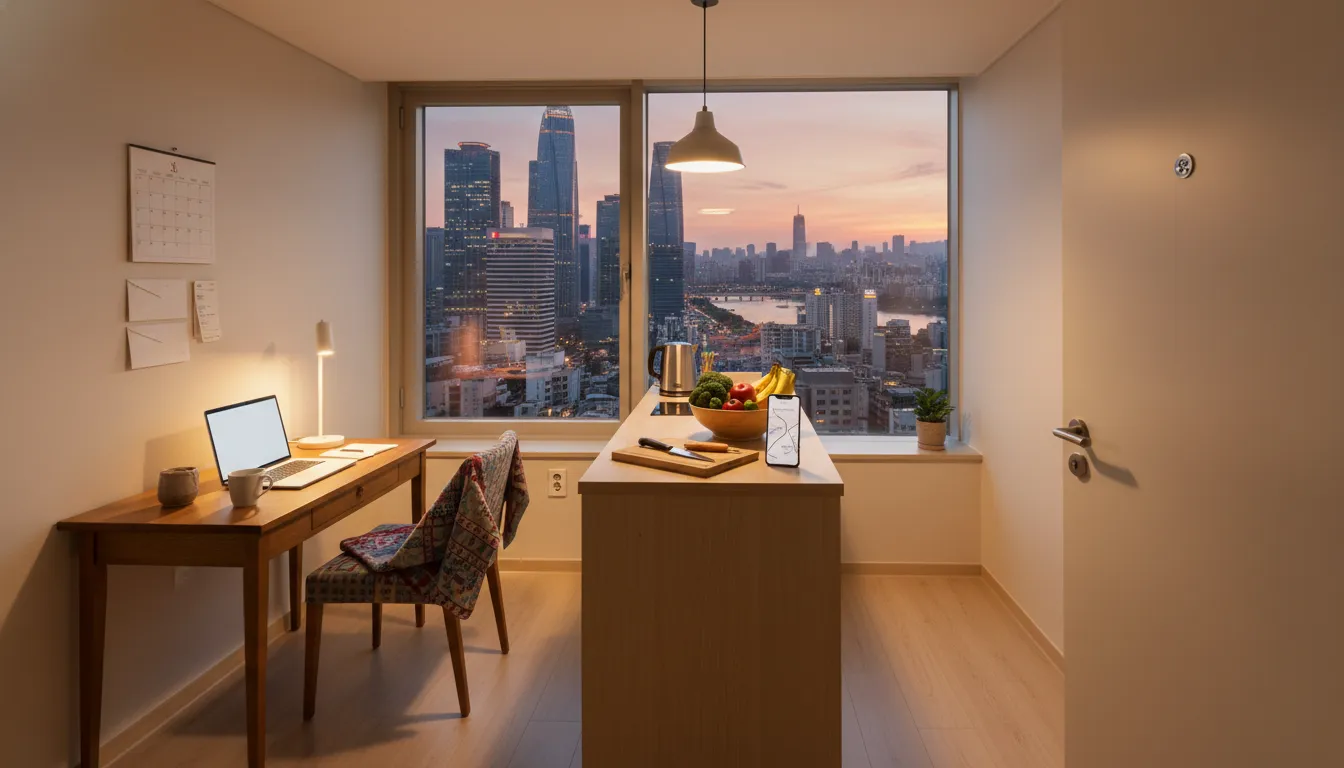
Living alone in Seoul can be both exciting and demanding. The city moves fast, apartments can feel compact, and building a stable routine takes intention. This guide is designed for people who want a grounded, practical plan for solo life: choosing the right setup, managing cost and budgeting, handling daily life: grocery shopping and utilities and bills, getting around, staying safe, and creating meaningful social life: meeting new people even when you are far from home.
Throughout this article you will also find real-world considerations that matter in Seoul, including language barriers, cultural adaptation, and the day-to-day realities of work and income and leisure and activities.
Table of Contents
- What “living alone in Seoul” really means (and who it is for)
- Types of housing in Seoul: what to choose when you live alone
- Cost and budgeting: a realistic solo monthly plan
- Utilities and bills: how to avoid surprise costs
- Daily Life: Grocery shopping in Seoul (what to buy and where to go)
- Public transportation in Seoul: make commuting feel effortless
- Social Life: Meeting new people in Seoul (without forcing it)
- Language barriers and communication: how to handle daily friction
- Cultural Adaptation: understanding Korean customs without overwhelm
- Work and Income: job opportunities, work culture, and remote options
- Fitness and wellness: staying steady in a fast city
- Leisure and Activities: popular attractions, cozy days, and night life
- Safety and Security: crime rates, safe neighborhoods, and emergency services
- Challenges and Tips: overcoming culture shock and managing loneliness
- Building a routine that supports solo life (sleep, productivity, and calm)
- FAQ: living alone in Seoul
- Conclusion: make solo life in Seoul feel stable and yours
- Additional read: stress, routine, and staying steady
What “living alone in Seoul” really means (and who it is for)
Living alone in Seoul usually means you manage everything yourself: your housing decisions, your schedule, your food, your bills, your transport, and your social calendar. For many people, the biggest shift is moving from a “networked” environment (family, friends, shared living) into a system you design and maintain.
This guide is especially helpful if you are:
- Relocating to Seoul for work, study, or an extended stay
- Considering different types of housing and want to understand trade-offs
- Trying to build a sustainable routine for sleep, productivity, and wellbeing
- Budgeting for a solo lifestyle with predictable monthly expenses
- Looking for ways to grow community despite managing loneliness or facing language barriers
Types of housing in Seoul: what to choose when you live alone
Seoul offers several common housing paths. The “best” choice depends on your timeline, budget, and how much privacy, space, and flexibility you need.
1) Studio apartments (one-room style)
A studio setup is common for solo residents. It is often cost-effective and straightforward, but storage and kitchen space can be tight.
- Best for: short-to-medium stays, minimal furniture, lower complexity
- Watch for: ventilation, hot water reliability, building soundproofing
2) Renting apartments (jeonse vs. monthly rent vs. hybrid)
Many leases revolve around deposit structures. Even if you already know the concept, the practical impact is what matters when you live alone: how much cash you need upfront, how rent changes, and how moves work.
- Jeonse-style deposits: typically larger deposit, lower monthly rent
- Monthly-rent (monthly) structures: usually lower deposit, higher monthly payments
- Hybrid models: a middle approach with both deposit and monthly payments
If you plan to move within a year, carefully weigh the “move friction” against the deposit timeline.
3) Shared housing (for early settling-in)
Some people start with shared accommodations to reduce decision fatigue while they learn the city. A shared setup can also help with community building.
- Best for: early relocation period, building local routines faster
- Watch for: contract terms, shared kitchen rules, privacy limits
4) Officetel and similar studio-type units
These units can feel apartment-like but may have different rules for utilities, leasing, and registration. Ask questions and verify what is included before signing.
Cost and budgeting: a realistic solo monthly plan
For many newcomers, the hardest part of solo life is not finding an apartment. It is keeping expenses predictable. In Seoul, costs can swing depending on neighborhood, building type, seasonal habits (heating and air conditioning), and how often you eat out.
Core cost categories to budget for
- Rent (largest line item)
- Utilities and bills (electricity, water, gas, internet, sometimes building management fees)
- Daily Life: Grocery shopping (produce, protein, snacks, coffee)
- Public transportation (T-money card top-ups)
- Food (groceries vs. dining out)
- Health and insurance (depending on visa and coverage)
- Leisure and Activities (gyms, shows, day trips)
- Emergency buffer (repairs, medical costs, sudden travel)
Budgeting method that works in Seoul
Use a simple three-bucket system for the first 60 to 90 days:
- Fixed essentials: rent, internet, insurance, transit baseline
- Variable essentials: groceries, utilities variation, basic household needs
- Lifestyle spending: cafes, restaurants, nightlife, shopping
After you track spending for a couple months, adjust the variable essentials first. Those are the easiest to control without harming your wellbeing.
Utilities and bills: how to avoid surprise costs
Solo living makes your utilities your problem to manage. This is where the “small mistakes” add up, especially electricity usage for heating, cooling, and hot water.
What to confirm before moving in
- What utilities are included in rent (if any)
- How electricity is billed (meter type, payment methods)
- Whether there are building fees for maintenance or management
- Internet setup requirements and installation timeline
- Hot water reliability (and how often it stops during maintenance)
How to reduce electricity costs without suffering
- Use timers or smart scheduling for air conditioning when possible
- Keep temperature changes gradual rather than extreme
- Run laundry strategically (full loads, correct cycle selection)
- Check for drafts or windows that do not seal well
Daily Life: Grocery shopping in Seoul (what to buy and where to go)
Seoul is surprisingly efficient for solo grocery shopping. The challenge is learning where to buy what you need at the right price and without wasting time.
Smart grocery habits for one person
- Plan meals by ingredients (buy once, reuse across multiple recipes)
- Choose flexible proteins (eggs, tofu, chicken thighs, canned fish)
- Buy produce that stores well (onions, potatoes, carrots, mushrooms)
- Use portion-friendly items (frozen vegetables, single-serve snacks)
Where solo residents typically shop
- Neighborhood markets: great for produce and quick top-ups
- Large supermarkets: best for pantry staples and bulk basics
- Convenience stores: excellent for emergency meals and late-night needs
- Online grocery delivery: useful if you want predictable routines
If your schedule changes often, build two meal patterns: one for “fast cooking” and one for “cozy cooking.” That reduces decision fatigue.
Public transportation in Seoul: make commuting feel effortless
Seoul’s transit system is one of the biggest advantages for solo living. Most routes are reachable via subway and bus networks, and you can tap into it quickly once you learn the basics.
Start with these fundamentals
- Get and use a T-money card (or compatible payment method)
- Learn how transfers work between subway lines
- Use route planners to reduce time lost to “which exit” problems
- Keep a backup plan for weather-heavy days
Tips for faster navigation
- Save common station exits on your map app
- Note “last train” times if you go out frequently
- Check bus stop numbers and landmarks for easier repeats
Social Life: Meeting new people in Seoul (without forcing it)
A common fear for solo residents is that the social circle will not naturally form. In reality, community grows from repeated exposure: the same classes, the same spots, the same routines.
Networking and social groups that tend to work
- Language exchange groups (especially helpful when dealing with language barriers)
- Community classes (cooking, pilates, art, dance, volunteering)
- Sports meetups (running clubs, climbing gyms)
- Work-related groups (ex-pat groups, industry meetups)
- Local events and maker spaces for hands-on connection
How to reduce the pressure to “perform” socially
Choose activities where conversation can happen naturally. For example, group cooking classes or team sports reduce the need to “fill silence.” The goal is consistency, not instant friendships.
Managing loneliness: a realistic plan
- Schedule one social interaction weekly (even small)
- Keep one “solo joy” routine daily (gym, reading, long walks)
- Use “two-channel connection”: one online community plus one in-person space
- Plan one monthly low-cost outing to a new neighborhood
Language barriers and communication: how to handle daily friction
You do not need perfect Korean to live alone in Seoul, but communication gaps can create stress. The solution is not memorizing everything. It is building reliable “micro-skills” for common situations.
High-impact communication situations
- Ordering food and asking for dietary preferences
- Asking staff for directions and transit help
- Handling deliveries and apartment issues
- Registering services (internet, utilities, mobile plan)
- Medical or pharmacy visits
Practical approach to learning Korean language
- Focus on survival phrases first (greetings, numbers, “I need help”)
- Learn meal-related vocabulary and common ingredients
- Practice with real contexts: market ordering, coffee shops, convenience stores
- Keep a small cheat sheet of phrases for apartment or services
Cultural Adaptation: understanding Korean customs without overwhelm
Cultural adaptation is less about “getting it perfect” and more about avoiding avoidable friction. Most local people appreciate respectful effort.
Understanding Korean customs
- Pay attention to quiet behaviors in shared spaces
- Be mindful of dining etiquette (especially in smaller restaurants)
- Observe how people queue and move in transit areas
- Learn local norms around trash sorting when applicable
Navigating local cuisine
Food is one of the fastest paths to belonging. Start with approachable options and gradually expand. If you are careful with allergies or spice tolerance, plan how you will describe it before you order.
- Use “mild” or “not spicy” phrasing if available
- Start with familiar flavors and work outward
- Try markets for “small tasting” meals rather than large commitments
- Keep a list of 10 reliable meals you enjoy near your home
Work and Income: job opportunities, work culture, and remote options
Your work situation affects everything else: energy, time for Leisure and Activities, spending habits, and how stable your routine feels. Solo living makes schedule control especially important.
Job opportunities and work culture
Seoul job markets vary widely by industry, visa requirements, and language level. If you are employed locally, pay attention to:
- Typical work hours and commute expectations
- Whether weekends are fully free or partially used for events
- How meetings are scheduled and how communication flows
- Workplace norms for feedback, hierarchy, and collaboration
Freelancing and remote work: how to build structure at home
Remote work can be a trap for solo residents because your home becomes your office, gym, and social space all at once. Create a “work boundary system”:
- Define a fixed workspace (even if small)
- Use consistent start and end rituals
- Take short movement breaks to prevent stiffness
- Protect evenings for recovery and social time
Fitness and wellness: staying steady in a fast city
Fitness is one of the most effective tools for both stress relief and routine stability. For solo residents, it also becomes a social anchor when classes or gyms have friendly communities.
A beginner-friendly fitness structure
- 20 minutes mobility and stretching
- 30 minutes cardio (walking, treadmill, cycling)
- 10 minutes light strength or core (optional)
You can scale this depending on energy and schedule. The goal is consistency, not intensity.
Leisure and Activities: popular attractions, cozy days, and night life
Seoul offers an endless range of activities. The trick is choosing activities that match your energy, especially when you are tired from work or adapting to new routines.
Popular attractions that also support a routine
- Neighborhood cafes and bookshops for calm “reset time”
- Parks and river walks for low-cost weekend energy
- Museums and exhibitions on slower days
- Markets for browsing and light social opportunities
Nightlife and entertainment
Nightlife can be fun, but it can also disrupt sleep schedules. If your goal is stable routine building, use nightlife intentionally:
- Choose one outing per week (not every night)
- Plan a next-day recovery block
- Hydrate and protect bedtime
- Use transit planning to avoid late-night stress
Safety and Security: crime rates, safe neighborhoods, and emergency services
Safety is always a top concern when you live alone. Seoul is generally considered safe compared to many major cities, but “safe” still requires practical habits.
How to think about crime rates responsibly
- Research crime data by district when choosing a move
- Use local reviews and real resident experiences as context
- Pay attention to lighting, street activity, and building security
- Trust your instincts if an area feels isolated at night
Safe neighborhoods: what to prioritize
Instead of chasing a specific neighborhood name, focus on these criteria:
- Good transit access
- Nearby convenience stores and routine foot traffic
- Well-managed buildings (entry systems, cameras, secure lobbies)
- Walkable services: pharmacies, clinics, supermarkets
Emergency services and safety plan
Build a simple plan before you need it:
- Know how to reach emergency services quickly
- Save important numbers (housing support, insurance, local clinic)
- Keep a small card with address details
- Use well-lit routes when returning late
If you are frequently traveling around the city, store your accommodation address and a simple route template in your phone offline.
Challenges and Tips: overcoming culture shock and managing loneliness
Even with the best planning, solo relocation comes with emotional swings. Culture shock can look like irritability, fatigue, and feeling “behind” even when you are doing your best.
Common challenges solo residents face
- Loneliness, especially on quiet weekends
- Confusion with language and paperwork
- Sleep disruptions from stress and schedule changes
- Decision fatigue (too many choices for food, routes, routines)
- Over-spending while trying to feel comfortable
Overcoming culture shock: a practical weekly rhythm
- One familiar anchor: the same grocery store or coffee spot
- One exploration block: a new neighborhood or activity weekly
- One skill-building session: Korean practice or a class
- One reset evening: early dinner, light cooking, and early bedtime
Tips from other solo resident strategies (that actually scale)
While every person’s story is different, several strategies are repeatedly effective:
- Build routines that do not require motivation: same breakfast pattern, same workout time window
- Keep “easy meals” ready: ingredients that can turn into dinner in 20 to 30 minutes
- Use repeatable social formats: classes, clubs, gym groups
- Track your spending lightly: not obsessively, just enough to spot patterns
- Plan one trip or day out monthly: variety helps mental health
Building a routine that supports solo life (sleep, productivity, and calm)
A reliable routine is the foundation of living well alone. When sleep and energy are stable, it becomes easier to budget, cook, meet people, and stay active.
Sleep routine: get back on track gently
- Choose a consistent wake time (even if bedtime varies initially)
- Get light exposure soon after waking
- Reduce high stimulation in the last hour before bed
- Use “wind-down” rituals: tea, reading, light journaling
Productivity that does not burn you out
Solo living is vulnerable to over-planning or constant multitasking. Use a smaller daily plan:
- Pick 3 priority tasks for the day
- Schedule one “admin slot” for bills, messages, and paperwork
- Leave space for unexpected changes
- Do one small “future support” task (plan tomorrow’s meal or transit route)
FAQ: living alone in Seoul
Is living alone in Seoul expensive?
It can be, but it is manageable with planning. Rent and utilities are the biggest variables. If you budget for cost and budgeting and keep grocery spending intentional, solo life can be stable. Track spending for your first 60 to 90 days and adjust lifestyle categories first.
What are the most common types of housing for solo residents?
Common options include studio-style units, officetel-type apartments, and renting apartments with different deposit structures. Shared housing can also be a practical early step while you learn neighborhoods.
How do I handle daily life: grocery shopping for one person?
Shop with ingredient-based meal planning. Focus on flexible staples (eggs, tofu, mushrooms, rice, frozen vegetables) and choose produce that keeps well. Use online delivery or neighborhood markets for smaller, more frequent restocks.
How do utilities and bills typically work?
Many residents pay for electricity and internet separately, with possible building management fees. The cost can change seasonally due to heating and cooling, so confirm inclusions before signing and watch usage patterns early.
Is public transportation easy to use as a solo resident?
Yes. Seoul’s subway and bus systems are well-connected. Learn how to use a transit card, save common station exits, and use route planning to minimize confusion. With practice, commuting becomes routine.
How can I build a social life when I am dealing with language barriers?
Use Networking and social groups that encourage conversation naturally, such as language exchange events, classes, clubs, and gym communities. Start with consistent weekly activities and aim for familiarity before deep friendship.
What about safety in Seoul for solo residents?
Seoul is generally considered safe, but take standard precautions: choose well-lit areas, use secure buildings, be cautious late at night, and keep emergency contacts saved. Research the feel of a neighborhood beyond just headlines.
How do I manage loneliness and culture shock?
Create a routine that includes both solo joy and one scheduled social interaction weekly. Build a “weekly rhythm” with an exploration block, a skill-building session, and a reset evening to protect energy. This reduces emotional swings during adjustment.
How do I adapt culturally and navigate local cuisine?
Learn customs through observation and low-risk practice: try a few etiquette basics, join community food experiences, and start with approachable meals. Over time, you will recognize patterns and feel more comfortable.
What should I focus on first if I am planning to live alone in Seoul soon?
Prioritize housing readiness (including lease terms), a basic budget for cost and budgeting, a transit plan, and a daily routine for sleep and meals. Then build community with classes and recurring groups.
Conclusion: make solo life in Seoul feel stable and yours
Living alone in Seoul becomes dramatically easier when you treat it like a system you can design: choose the right Types of housing, set a realistic Cost and budgeting plan, build routines for sleep and productivity, learn Daily Life: Grocery shopping and Utilities and bills, and develop community through Social Life: Meeting new people. With practical habits and steady cultural adaptation, solo life can feel less like coping and more like belonging.
If you plan your first two months with intention, you set yourself up for long-term comfort: safer decisions, better routines, and a social network that grows naturally through repetition.
Additional read: stress, routine, and staying steady
Living alone in a fast city can bring up unexpected emotional swings. If you’re looking for a deeper perspective on why adjustment can feel so intense, you might find psychology helpful as you build healthier routines.
And when life interrupts your plans—work travel, busy weeks, or just getting run down—this can also be a good time to review travel sick tips so you can recover faster without derailing your solo schedule.


Comments
Post a Comment