Interview at Guangzhou Liwan Lake Park with SEO Hobby Expert Crew, Budget Travel Inflation Observers
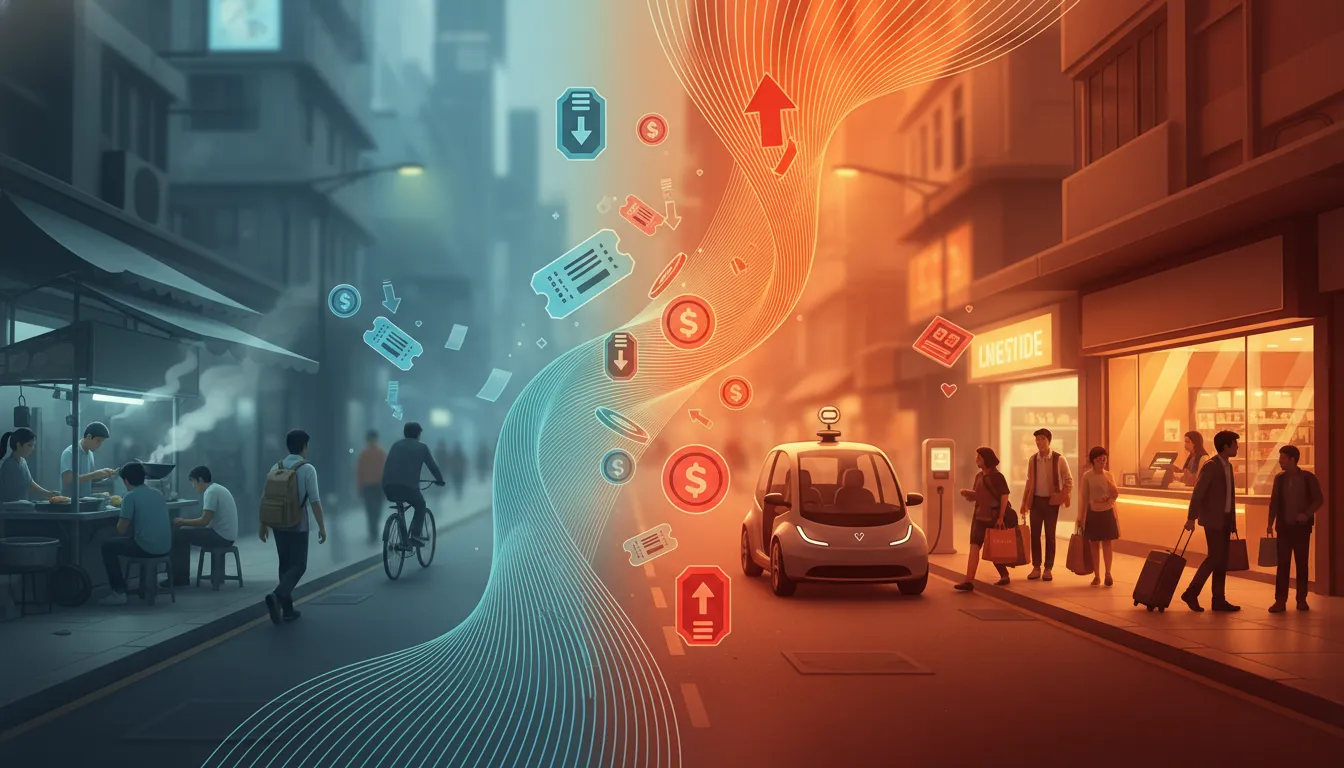
Travel inflation has changed how people plan city breaks, backpacking routes, and even simple food-and-hotel decisions. A destination that feels cheap in one category can feel surprisingly expensive in another. Guangzhou, China, is a strong example. Meals can be inexpensive, transport and street services can be low cost, but shopping and convenience choices can quickly shift the budget.
This interview-style guide explores travel inflation through the lens of on-the-ground budget behavior in Guangzhou. If you are trying to understand how far a low daily budget goes, what a mid-to-high daily budget unlocks, and where travelers overspend by mistake, this breakdown is designed to help.
Rather than treating Guangzhou as simply “cheap” or “expensive,” the smarter question is this: how does travel inflation show up across food, lodging, payments, shopping, and daily habits? That is what this article answers.
What is travel inflation, and why does it matter in a city like Guangzhou?
Travel inflation is the real-world increase in what travelers pay for essentials and discretionary spending while on the road. It includes more than hotel prices. It also shows up in coffee, snacks, mobile payments, convenience food, transport choices, and impulse purchases.
In Guangzhou, travel inflation matters because the city can appear budget-friendly at first glance. Street food prices may look low. Basic lodging can still be affordable. Some services, like a simple haircut, may cost far less than in many Western countries. But travel inflation becomes obvious when travelers default to familiar brands, make convenience-based decisions, or shop without understanding local pricing.
That means two travelers in the same neighborhood can have completely different cost experiences. One can eat well and sleep cheaply. Another can spend several times more without necessarily getting proportionally more value.
Why is Guangzhou useful for understanding travel inflation?
Guangzhou is useful because it contains multiple spending layers at once.
On one end, there are low-cost, everyday options:
Street food
Local dumplings
Fresh juice stalls
Budget accommodation
Small neighborhood services
On the other end, there are fast ways to overspend:
Chain coffee
Branded retail shopping
Impulse souvenir buying
Convenience-first meals
Unplanned extras like lottery-style purchases or repeated snacks
That mix makes Guangzhou a practical case study for travel inflation. The city is not just about low prices. It is about how pricing differences tempt or punish certain habits.
Can someone realistically travel Guangzhou on a very low daily budget?
Yes, but only with discipline.
A very low daily budget in Guangzhou can stretch further than many travelers expect if the priorities are basic:
Simple local meals
Minimal shopping
Budget lodging
Walking instead of unnecessary transport
Avoiding premium coffee and imported products
The problem is that travel inflation often comes from habits, not necessities. A burger here, a coffee there, a packaged drink, a small shopping detour, and suddenly the “cheap destination” no longer feels cheap.
In practical terms, a strict traveler can still find affordable food and a low-cost bed. But there is very little margin for error if the budget is extremely tight. One or two bad spending decisions can throw the whole day off.
What does travel inflation look like in food spending?
Food is where travel inflation becomes most visible.
Guangzhou appears favorable for food budgets because local options can be inexpensive. Examples include skewers, dumplings, fresh juices, and simple rice or noodle dishes. These can deliver strong value compared with chain cafés or imported fast-food habits.
But travel inflation shows up when travelers:
Choose familiar international chains over local stalls
Buy multiple drinks instead of one
Snack repeatedly while exploring
Pay a premium for convenience because of language friction
Order more than needed
For example, coffee alone can take a noticeable bite out of a low daily budget. So can branded fast food. By contrast, dumplings or simple local meals often offer far better budget efficiency.
This is the core lesson of travel inflation in food: price is not only about the destination, but about the level of familiarity you insist on purchasing.
Is street food always the best defense against travel inflation?
Not always, but it is often one of the best tools.
Street food can help reduce travel inflation because:
Portions are often affordable
Turnover can be high in busy areas
You can buy one item at a time
You avoid restaurant markups in some cases
Still, there are practical caveats:
You may not know the exact ingredients
Menus may not be in English
You may need mobile payment apps
Some stalls are better value than others
Impulse grazing can add up fast
The best strategy is selective use. Choose busy stalls, buy simple items, and compare before committing. If you are trying to beat travel inflation, street food works best when it replaces expensive convenience food, not when it becomes an all-day impulse activity.
How do mobile payments affect travel inflation in China?
Mobile payments can indirectly increase travel inflation for unprepared travelers.
In many parts of China, digital payment ecosystems are central to everyday transactions. If a traveler arrives without a clear setup for app-based payments, several things can happen:
Ordering becomes slower and more stressful
Cheaper local places become harder to use
Travelers default to places with easier ordering
That often means chain stores or more expensive options
In other words, payment friction can push spending upward. That is a hidden form of travel inflation.
Before arriving in China, travelers should review official payment guidance and current visitor compatibility for major platforms. Resources like TravelChinaGuide’s payment overview and official destination information can help establish what is currently practical.
If your payment setup is poor, your cost of convenience rises immediately.
What are the biggest budget mistakes that make travel inflation worse?
The biggest mistakes are surprisingly common.
Starting the day with premium habits. Coffee, chain breakfast, and convenience purchases can drain a low budget early.
Confusing “cheap city” with “safe to overspend.” A low-cost destination still punishes repeated impulse buys.
Shopping without price awareness. Not every item sold in China is automatically a bargain.
Ignoring accommodation until late. Last-minute booking limits the lowest-cost options.
Paying for familiarity. Imported brands and recognizable chains often cost more than local equivalents.
Treating small extras as irrelevant. Drinks, snacks, cigarettes, scratch cards, and convenience items add up quickly.
Travel inflation usually feels manageable in each individual purchase. The damage comes from accumulation.
How does accommodation reveal travel inflation in Guangzhou?
Accommodation is one area where Guangzhou can still offer strong budget value, especially at the basic end. A traveler willing to accept a very simple setup may find surprisingly low nightly rates.
That said, travel inflation appears when expectations rise. If you want:
A central location
Private space
Easier check-in
Western-style comfort
Late booking flexibility
the price can move up quickly.
The lesson is not that Guangzhou is expensive for accommodation. The lesson is that travel inflation expands the gap between “basic and functional” versus “comfortable and frictionless.”
Budget travelers should book early, read room descriptions carefully, and understand exactly what is being rented. Sometimes the cheapest listing is not a standard room at all, but a more unusual sleeping arrangement.
Does shopping in Guangzhou reduce or increase travel inflation?
Usually it increases it.
Travelers often assume manufacturing hubs automatically mean retail bargains across the board. That is too simplistic. Some goods may be inexpensive. Others may be only slightly cheaper than at home. Some items may appear branded but come with unclear value, unclear quality, or unclear authenticity.
Shopping becomes a travel inflation trap when travelers:
Buy because prices seem lower than home, without comparing quality
Assume all apparel is a steal
Purchase extra items just because the budget allows it
Ignore whether they actually need the item
Basic consumables like socks can sometimes offer obvious value. Fashion buys are more mixed. Shoes and shirts require more caution. “Cheaper than home” does not always mean “worth buying.”
If you want to avoid travel inflation, shopping should be intentional, not recreational.
How can travelers compare a low budget day versus a high budget day?
The smartest comparison is not “which is better?” It is “what changes first?”
On a low budget day, the traveler usually prioritizes:
Essential meals
Walking
Budget lodging
Minimal extras
On a high budget day, spending expands into:
Premium drinks
More casual shopping
Gift buying
Extra snacks and desserts
Less price sensitivity overall
That difference matters because travel inflation often does not begin with essentials. It begins with comfort purchases layered on top of essentials.
Once a traveler stops filtering choices by need, the destination can feel much more expensive than expected.
Are chain restaurants and chain coffee a bad idea when dealing with travel inflation?
Not always. They can be useful for predictability, clearer ordering, and comfort during a tiring day. But they are rarely the most budget-efficient option in a city with abundant local food.
When travelers rely too heavily on chains, travel inflation increases because they are paying for:
Brand familiarity
Simpler menus
Standardized ordering
A more recognizable product
There is nothing wrong with using chains strategically. The mistake is using them by default in a destination where lower-cost local alternatives are widely available.
A balanced approach works best. Use a chain when you need convenience. Use local options when you want better value.
What role do language barriers play in travel inflation?
A major one.
Language barriers can quietly raise travel costs because they reduce confidence. When travelers cannot easily read menus, ask prices, or understand payment methods, they often choose the least confusing option rather than the best-value option.
This creates a direct travel inflation effect.
Some practical fixes include:
Using translation apps with camera features
Learning a few simple food and payment phrases
Saving screenshots of your hotel address and destination names
Checking ordering systems before entering busy cafés or restaurants
Even basic preparation can reduce stress-based overspending.
Travelers planning multi-country trips should also think about mobile account safety before relying on travel apps and digital wallets abroad. A simple travel prep read like this guide on tourist SIM security can help avoid unnecessary disruptions.
Can small indulgences still fit into a low-budget plan without worsening travel inflation?
Yes, if they are chosen deliberately.
The goal is not to remove every enjoyable expense. The goal is to prevent random spending from taking over the day. One fresh juice, one local dessert, or one inexpensive service can fit comfortably into a low-cost plan if the rest of the day remains disciplined.
Problems start when indulgences stack:
Coffee plus fast food
Fresh juice plus packaged drink
Snack plus dessert plus impulse shopping
Entertainment spending on top of all the above
Travel inflation thrives on combinations. A single treat is usually manageable. Five “small” treats can equal a full meal or a chunk of accommodation cost.
What does a smart anti-travel-inflation budget framework look like in Guangzhou?
A simple framework works better than a detailed spreadsheet while moving through a city.
Use the 50-30-20 approach for a low or moderate daily budget:
50% essentials for accommodation and core meals
30% flexible spend for transport, drinks, or one paid extra
20% protected buffer for unexpected costs or late-day needs
This protects you from travel inflation because it prevents early overconfidence.
Another useful rule is the two-check method:
Before buying, ask: Do I need this today?
Then ask: Is there a local version for less?
If the answer to the first is no, skip it. If the answer to the second is yes, compare before paying.
How should travelers think about value instead of just price?
This is where many budget discussions go wrong. Low price alone is not value.
Real value considers:
How filling a meal is
How useful an item will be after the trip
How much stress a purchase saves
Whether the item improves the trip meaningfully
For example, a cheap haircut can be great value if it is genuinely useful and low cost. A shirt that seemed like a bargain may not be value if the quality is unclear or the price difference is small compared with home. A budget hostel can be excellent value if it delivers exactly what you need for one night.
Travel inflation becomes easier to manage when you stop chasing low prices and start chasing useful spending.
Are there categories in Guangzhou where travel inflation seems lower than expected?
Yes. Based on observed price behavior, some categories can feel lower than many travelers might expect:
Basic local food
Simple accommodation
Some personal services
Certain practical everyday goods
That does not mean all items in those categories are cheap. It means the floor can be low if expectations are flexible.
This is important because travel inflation affects categories differently. One city can be cheap for meals and expensive for coffee. Cheap for hostels and uneven for clothing. Cheap for practical purchases and poor value for branded shopping.
Thinking in categories is much more accurate than labeling a city as simply cheap or expensive.
What are the signs that travel inflation is hitting your trip in real time?
Watch for these warning signs:
You stop checking prices
You choose convenience repeatedly
You buy familiar brands because they feel safer
You start counting “small purchases” as irrelevant
You justify shopping because the destination seems cheap overall
You delay booking lodging and accept whatever is easiest later
These are not just spending habits. They are the behavioral engine of travel inflation.
If you notice them early, you can reset before the budget drifts too far.
How can travelers reduce travel inflation without making the trip feel restrictive?
The answer is substitution, not deprivation.
Try these swaps:
Swap chain coffee for local tea, bottled drink, or one coffee instead of multiple
Swap branded fast food for dumplings or noodles
Swap impulse shopping for one planned useful purchase
Swap private convenience everywhere for walking when practical
Swap random snacks for a single substantial meal
That keeps the experience enjoyable while lowering cost pressure.
Travel inflation is easiest to manage when you build a good day around local strengths instead of imported habits.
What should first-time visitors to China do before arrival to control travel inflation?
Preparation matters a lot.
Checklist:
Research mobile payment options for foreign travelers
Install a translation app with camera text recognition
Save accommodation details offline
Learn a few basic terms for food and payment
Plan your first meal and first night’s lodging in advance
Set a daily spending cap before arrival
For official destination background, practical travel basics, and city context, visitors can review resources from China Discovery and similar planning guides.
This setup lowers the chance of stress-driven purchases, which are a common accelerator of travel inflation.
How does travel inflation affect backpackers differently from higher-budget travelers?
Backpackers feel travel inflation immediately because every decision has opportunity cost. Extra spending at lunch may mean cutting comfort at night. One impulse purchase can reshape the whole day.
Higher-budget travelers experience travel inflation differently. The impact is less painful short term, but it can create the illusion that a destination is expensive when in reality the spending pattern is the issue. They may overpay for convenience all day and then conclude the city itself is overpriced.
So travel inflation hurts both groups, just in different ways:
Backpackers lose flexibility
Higher-budget travelers lose efficiency and perspective
What is the biggest misconception about travel inflation in “cheap” destinations?
The biggest misconception is that a cheap destination automatically protects travelers from bad budgeting.
It does not.
Cheap destinations often make spending mistakes feel harmless, which can actually make travel inflation worse. Travelers relax too early. They stack optional purchases. They shop more casually. They stop comparing prices.
By the end of the day, they have spent far more than needed while still missing many of the destination’s best-value experiences.
The better mindset is this: a lower-cost city gives you more room to be smart, not more room to be careless.
Table of Contents
FAQ
Is Guangzhou cheap for travelers dealing with travel inflation?
Guangzhou can be affordable for food, basic lodging, and some everyday services, but travel inflation appears quickly when travelers choose chain brands, unplanned shopping, and convenience-based spending.
What is the easiest way to reduce travel inflation in China?
Set up mobile payments before arrival, use translation tools, favor simple local meals, and avoid repeated impulse buys. Preparation reduces convenience-driven overspending.
Does street food help fight travel inflation?
Usually yes. Street food can offer lower-cost meals and better budget flexibility than chain restaurants, especially when chosen carefully from busy vendors.
Is shopping in Guangzhou always cheaper than buying at home?
No. Some practical items may be good value, but apparel and branded-looking goods are not automatically bargains. Shopping without comparing quality and usefulness can worsen travel inflation.
Can a very low daily budget still work in Guangzhou?
Yes, but it requires strict choices. Low-cost food and simple accommodation can make it possible, though there is little room for convenience purchases or shopping extras.
Why does travel inflation feel worse when language barriers exist?
Because travelers often pay more for easier ordering and familiarity when they cannot confidently navigate local menus, payment systems, or service interactions.
One final note: digital dependence is part of modern travel inflation. If your phone access or messaging gets disrupted abroad, your options narrow fast and your costs can rise. That is why account security and SIM planning matter more than many travelers expect. If that is relevant to your trip style, this post on cell phone porting scams is worth reviewing before departure.
Final takeaway
Travel inflation in Guangzhou is not a simple story of rising prices. It is a story of choices. The city can support a very lean budget if you lean into local food, practical lodging, and disciplined spending. It can also absorb a large daily budget quickly through shopping, premium convenience, and brand-first habits.
The key insight is this: travel inflation is often behavioral before it is economic. If you understand where costs creep in, Guangzhou can still offer excellent value. If you drift toward convenience all day, even a city with low-cost options can feel expensive.
For most travelers, the best approach is not extreme frugality or careless spending. It is selective spending with clear priorities. That is how you beat travel inflation without losing the fun of being in a new city.


Comments
Post a Comment