Interview with a Budget Travel Analyst, Understanding Travel Inflation in Hong Kong
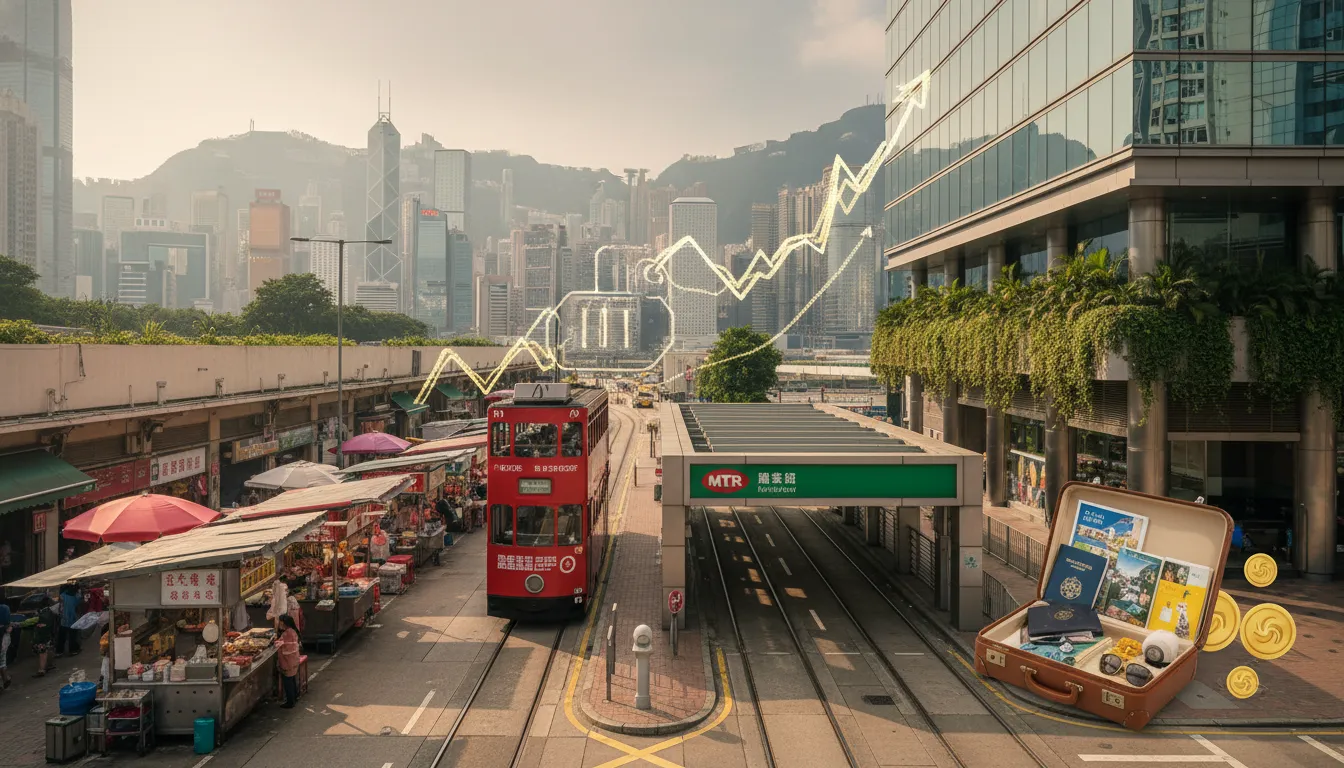
Travel inflation changes how people plan trips, choose neighborhoods, book hotels, and even decide what to eat once they arrive. Hong Kong is one of the clearest examples of how travel inflation can feel confusing in practice. Some parts of the city seem very expensive at first glance, while other everyday costs, such as local transport or simple meals, can still be surprisingly manageable.
This interview-style guide explains how travel inflation shows up in Hong Kong, what costs are likely to stretch a budget, and how travelers can still make smart decisions without sacrificing the experience. It is designed for anyone researching Hong Kong travel costs, comparing budget versus comfort travel, or trying to understand how travel inflation affects real daily spending.
For readers comparing urban costs more broadly, it can also help to look at city-to-city budgeting frameworks such as how much does it cost to live in miami, especially when thinking about accommodation pressure and daily lifestyle tradeoffs.
Table of Contents
- Hong Kong Costs, Budgeting, and Travel Inflation: An Interview Format Guide
- FAQ: Travel Inflation and Hong Kong Travel Costs
- Final Takeaway
Hong Kong Costs, Budgeting, and Travel Inflation: An Interview Format Guide
What is travel inflation, and why does Hong Kong make it so noticeable?
Travel inflation is the rising cost of taking a trip, including flights, rooms, food, transport, tickets, and incidentals. It matters because travelers often plan based on old assumptions. A destination may still have affordable options, but not in every category.
Hong Kong makes travel inflation especially noticeable because it is a dense, global city with strong demand, limited space, and a wide spread between budget and premium spending. A simple local dish may be affordable, while a hotel room, attraction ticket, or convenience purchase can feel far more expensive than expected.
That gap creates a common mistake. People assume the city is either completely unaffordable or much cheaper than other major global destinations. In reality, travel inflation in Hong Kong is uneven. Some categories remain accessible. Others punish poor planning quickly.
Is Hong Kong expensive for travelers overall?
Yes, but with important nuance. Hong Kong can be expensive overall, especially for:
Private hotel rooms in central areas
Theme parks and paid attractions
Imported goods and certain convenience purchases
Comfort-first transport choices like repeated ride-hailing
At the same time, parts of the city can feel relatively reasonable if you travel strategically. Examples include:
Local restaurants with simple dishes
Some neighborhood barbers and personal services
Ferry and public transport options
Street-level snacks and basic drinks
So the honest answer is this: Hong Kong is expensive for careless travel and manageable for disciplined travel. That is exactly how travel inflation affects urban destinations. It does not raise every price equally. It raises the penalty for bad choices.
How does travel inflation affect accommodation in Hong Kong?
Accommodation is one of the clearest pressure points. Travel inflation tends to hit lodging hard in high-demand cities, and Hong Kong is no exception. Travelers may find that clean, comfortable rooms in convenient areas absorb a large portion of a daily budget very quickly.
There are extremely cheap rooms and hostel-style options, but they may come with tradeoffs such as:
Very small spaces
Poor building conditions
Questionable cleanliness
Limited privacy
Complicated check-in arrangements
Older buildings with slow lifts or uncomfortable common areas
That is where travel inflation becomes practical, not theoretical. A room that looks cheap online may become expensive in non-financial ways if it costs comfort, rest, safety, or convenience.
When assessing ultra-budget accommodation, it is worth being alert to building issues too. Older properties can create stress around lifts, access, and emergency exits. A related example of evaluating building risks appears here: residential and hotel elevator trauma.
Can you still visit Hong Kong on a tight budget despite travel inflation?
Yes, but expectations need to be realistic. Tight-budget travel in Hong Kong works best when the goal is to explore the city itself rather than stack up expensive attractions.
A low-budget traveler can still enjoy:
Walking through lively districts
Trying dumplings, noodle soups, and neighborhood meals
Using ferries and public transport
Experiencing the skyline, waterfronts, and street energy
Window shopping and browsing dense retail streets
Where travel inflation hurts the most on a tight budget is when the itinerary depends on:
Private rooms in prime locations
Amusement parks or major ticketed attractions
Frequent taxis or ride-hailing
Alcohol-heavy nights out
Impulse purchases in tourist-heavy zones
In short, a strict budget can still work, but only if the trip is built around local food, public transport, and urban exploration.
What kind of food budget should travelers expect in Hong Kong?
Food is one of the more flexible parts of the budget. Travel inflation is visible here too, but less brutally than in accommodation. A traveler can still find simple, satisfying meals at modest prices, particularly in local spots.
Good value often comes from:
Dumplings
Noodle soups
Rice dishes
Tea and basic drinks
Neighborhood restaurants with focused menus
Costs rise quickly when choosing:
International comfort food in tourist corridors
Upscale dining rooms
Alcoholic drinks
Heavy multi-dish ordering
Chain venues in premium locations
One useful lesson from Hong Kong is that local food often provides the best buffer against travel inflation. Travelers who are open to neighborhood dining usually stretch their money much further than those who insist on familiar international meals every time.
Are there specific dishes that offer strong value in Hong Kong?
Yes. Travelers often get the best value from simple local dishes with broad availability. Good examples include:
Lamb dumplings
Beef brisket noodles
Beef tendon noodle soup
Rice noodle dishes
Basic stir-fried vegetables and meat combinations
These kinds of dishes matter in a travel inflation environment because they combine practicality and experience. You are not just saving money. You are also eating food that fits the destination better than imported alternatives.
Travelers who want to manage travel inflation well should ask a simple question before every meal: Is this something the city already does well at a fair price? In Hong Kong, the answer is often yes for noodle dishes, dumplings, and straightforward Cantonese-style meals.
How affordable is transport in Hong Kong compared with accommodation?
Transport can be one of the bright spots. In many dense Asian cities, public and short-distance transport systems help soften travel inflation, and Hong Kong reflects that pattern. Ferries and other basic transit options can feel inexpensive compared with hotel rates or attraction tickets.
This matters for budget planning because it means you do not always need to stay in the absolute center if transport is efficient enough to support movement across the city.
To keep transport costs low:
Use ferries where practical
Prioritize walkable areas
Avoid defaulting to ride-hailing for short hops
Group activities by neighborhood
Travel inflation often pushes travelers toward one bad habit: overpaying for convenience. Hong Kong rewards the opposite approach. Plan the route, use the city, and let transport costs stay in the “reasonable” category.
What expenses become budget traps in Hong Kong?
Several categories can derail a budget quickly.
Theme parks and major attractions
Admission fees can consume a large portion of a one-day budget almost immediately.Last-minute accommodation decisions
Cheap listings may hide quality problems, while good rooms may be far pricier than expected.Imported or branded purchases
Convenience items, cigarettes, and recognizable international products can cost more than travelers assume.Frequent alcohol purchases
Nightlife spending can erase an otherwise disciplined day.Comfort transport
Repeated taxi or ride-hailing use adds up quickly in a city where lower-cost movement options exist.
These are classic travel inflation traps because they often feel minor in the moment. The issue is cumulative spending. A costly ticket, one inflated purchase, and a poor-value ride can turn a manageable day into an expensive one.
Does travel inflation mean Hong Kong is only worth visiting with a big budget?
No. It means the trip should match the budget honestly.
If your budget is high, Hong Kong offers comfort, convenience, and premium experiences with very little friction. If your budget is limited, the city still offers a lot, but the value comes from immersion rather than luxury.
A high-budget Hong Kong trip can include:
Better hotel location and room quality
Paid attractions and entertainment
Ride-hailing and convenience spending
More flexible dining choices
A budget Hong Kong trip works best with:
Careful room selection
Local food focus
Walking-heavy exploration
Selective paid activities
Clear daily spending caps
Travel inflation does not remove the value of a destination. It simply narrows the margin for planning mistakes.
What does Hong Kong reveal about travel inflation in major Asian cities?
It reveals that “expensive” and “affordable” can both be true at the same time. That is one of the most important things to understand about travel inflation.
In major Asian cities, travelers often encounter a split market:
Globalized, premium, convenience-based spending is expensive
Local, practical, everyday spending can still be relatively fair
Hong Kong is a strong case study because it has premium urban pricing pressures alongside dense local infrastructure. That creates a destination where budgeting skill matters more than broad labels.
If you understand travel inflation correctly, you stop asking, “Is Hong Kong cheap or expensive?” and start asking, “Which parts of Hong Kong are inflating fastest, and which parts still offer value?”
How should someone build a realistic daily budget for Hong Kong?
The most effective way is to separate essential costs from optional costs.
Core daily categories:
Accommodation
Food
Transport
Attractions
Incidental purchases
Then apply this budgeting framework:
Set the room first. In Hong Kong, accommodation often determines whether the trip feels affordable or not.
Choose one spending style for the day. Either a low-cost exploration day or a premium activity day. Mixing both casually is how travel inflation wins.
Use local food as the baseline. Budget around simple meals, then upgrade only when intentional.
Pre-pick transport mode. Decide whether you are walking, ferrying, or paying extra for convenience.
Limit surprise spending. Snacks, drinks, and impulse buys often do more damage than one planned meal.
This system works because travel inflation often feels random only when a traveler has no structure.
What are the most common mistakes travelers make in Hong Kong during periods of travel inflation?
The biggest mistakes are not always dramatic. They are often ordinary assumptions.
Assuming all cheap listings are acceptable
The cheapest room can become the worst value if the property is dirty, stressful, or hard to access.Underestimating attraction costs
A single ticketed experience can consume funds meant for the whole day.Ignoring neighborhood differences
Small location decisions affect food prices, room prices, and transport needs.Using convenience purchases as a default
Buying imported or branded goods casually increases daily costs fast.Treating a global city like a backpacker town
Hong Kong may have budget options, but it still operates like a high-demand urban market.
These mistakes are classic travel inflation errors because they come from relying on outdated assumptions instead of current reality.
How can travelers reduce the impact of travel inflation without making the trip miserable?
The answer is selective optimization, not extreme sacrifice.
Use this practical checklist:
Book accommodation early enough to avoid panic decisions
Read recent room reviews carefully, not just star ratings
Anchor meals around local dishes
Choose one or two paid highlights, not many
Walk more in compact districts
Use ferries and public transport when available
Avoid buying every convenience item at premium locations
Build in a buffer for price surprises
That last point matters. Travel inflation creates unpredictability. Even careful travelers benefit from keeping extra room in the budget for unexpected spikes.
General context on inflation trends and consumer pricing can also be tracked through sources such as the International Monetary Fund and destination planning resources like the Hong Kong Tourism Board.
Are local interactions and neighborhood businesses still part of the value equation during travel inflation?
Absolutely. Travel inflation is not just a price story. It is also a value story. In many cities, some of the best-value experiences come from ordinary neighborhood businesses rather than big-ticket attractions.
In Hong Kong, that can mean:
Simple family-run eateries
Street-side snacks
Practical local services
Everyday ferries and public movement through the city
When a city feels welcoming, efficient, and easy to navigate at the street level, the trip can still feel rewarding even when travel inflation pushes certain categories higher.
Does language create budgeting problems in Hong Kong?
Not always, but it can influence how smoothly a budget trip goes. In some places, English may be widely usable. In others, menus and ordering situations may require patience, translation apps, or visual communication.
That affects travel inflation indirectly. If you cannot easily compare dishes or understand ordering, you may over-order, choose less efficient options, or default to tourist-oriented places with higher prices.
To reduce friction:
Use a phone translation app for menus
Look at what other tables are eating
Learn a few food-related phrases if possible
Carry enough payment flexibility for small businesses
Travel inflation often rewards preparedness. Even basic translation readiness can help protect a food budget.
What role do paid attractions play in the Hong Kong budget equation?
Paid attractions can be worthwhile, but they need to be understood as premium spending. In a travel inflation environment, attraction tickets are often no longer casual extras. They are major budget choices.
That means travelers should decide in advance:
Which attraction matters most
How much of the daily budget it will consume
Whether transport and food spending need to be adjusted around it
For some travelers, the right answer is to choose one major attraction and keep the rest of the day simple. That approach often works better than trying to maintain a premium itinerary across every spending category.
What does a low-cost but satisfying Hong Kong day look like?
A realistic low-cost day in Hong Kong during travel inflation often includes:
A modest local breakfast or snack
Walking through dense commercial or residential neighborhoods
One affordable restaurant meal centered on noodles or dumplings
Public or ferry transport instead of private rides
Free skyline, harbor, or city-street experiences
Careful evening meal selection instead of random splurging
That kind of day can feel rich in atmosphere without becoming financially heavy. It is one of the clearest ways to adapt to travel inflation while still enjoying a global city.
What does a high-budget Hong Kong day look like in contrast?
A high-budget day may include:
A more centrally located private hotel room
Ride-hailing or taxi use
Multiple paid attractions
Coffee stops, snacks, and convenience purchases without much concern
Premium dinner or nightlife spending
There is nothing wrong with that approach. The point is simply that travel inflation makes the difference between these two styles much wider than many travelers expect.
What is the smartest mindset for dealing with travel inflation in Hong Kong?
The smartest mindset is to think in terms of category control.
Do not try to make every part of the trip cheap. Instead, decide where you want to spend and where you want to protect value.
For example:
Spend more on a decent room, save on food and transport
Spend on one attraction, keep the rest of the day local and simple
Spend on convenience only when it creates real benefit
That is how experienced travelers respond to travel inflation. They do not deny it. They allocate around it.
FAQ: Travel Inflation and Hong Kong Travel Costs
Is Hong Kong still worth visiting during travel inflation?
Yes. Hong Kong still offers strong value if the trip is planned around local food, efficient transport, and realistic accommodation choices. Travel inflation raises costs in some categories, but it does not erase the city’s appeal.
What part of a Hong Kong trip is most affected by travel inflation?
Accommodation is often the biggest pressure point. Paid attractions and convenience-heavy spending can also escalate quickly. Food and basic transport can remain more manageable if travelers choose local options.
Can you eat cheaply in Hong Kong despite travel inflation?
Yes. Local dishes such as dumplings, noodle soups, and brisket-based meals often provide better value than imported or tourist-oriented food choices.
Does travel inflation mean budget travel in Hong Kong is impossible?
No. It means budget travel requires stronger planning. Walking, ferries, neighborhood meals, and careful room selection can still make the city accessible.
Are ferries and public transport good ways to beat travel inflation in Hong Kong?
Yes. Efficient lower-cost transport is one of the best ways to offset expensive accommodation or attraction spending. Public movement across the city can be one of Hong Kong’s better value categories.
Should travelers avoid the very cheapest rooms in Hong Kong?
They should at least review them carefully. Very cheap listings may carry major tradeoffs in cleanliness, comfort, and building quality. Travel inflation makes “cheap but poor” a common false economy.
What is the best strategy for handling travel inflation on a short Hong Kong trip?
Choose one major paid experience, keep food local, use public transport, and do not gamble on accommodation quality. This balanced approach usually creates the best mix of value and comfort.
Final Takeaway
Hong Kong is a strong real-world lesson in travel inflation. It shows how a destination can feel expensive and affordable at the same time, depending on what kind of traveler you are and how you structure the day.
If you spend on the categories that inflate fastest, such as private rooms, paid attractions, convenience purchases, and comfort transport, costs rise very quickly. If you focus on local meals, practical transport, and the city’s built-in energy, Hong Kong can still deliver a memorable trip without constant overspending.
The best response to travel inflation is not fear. It is clarity. Know which costs are likely to spike, know where local value still exists, and build the trip around decisions that match your actual budget.
For travelers following creators and travel discussions online, note that references to SEO Hobby Expert Crew or similar entertainment-led travel formats often highlight the same core budgeting tension: one destination, wildly different outcomes depending on spending style. That contrast is exactly why understanding travel inflation matters.


Comments
Post a Comment