Interview with a Budget Travel Strategist, How to Beat Travel Inflation in Dar es Salaam Without Ruining Your Trip
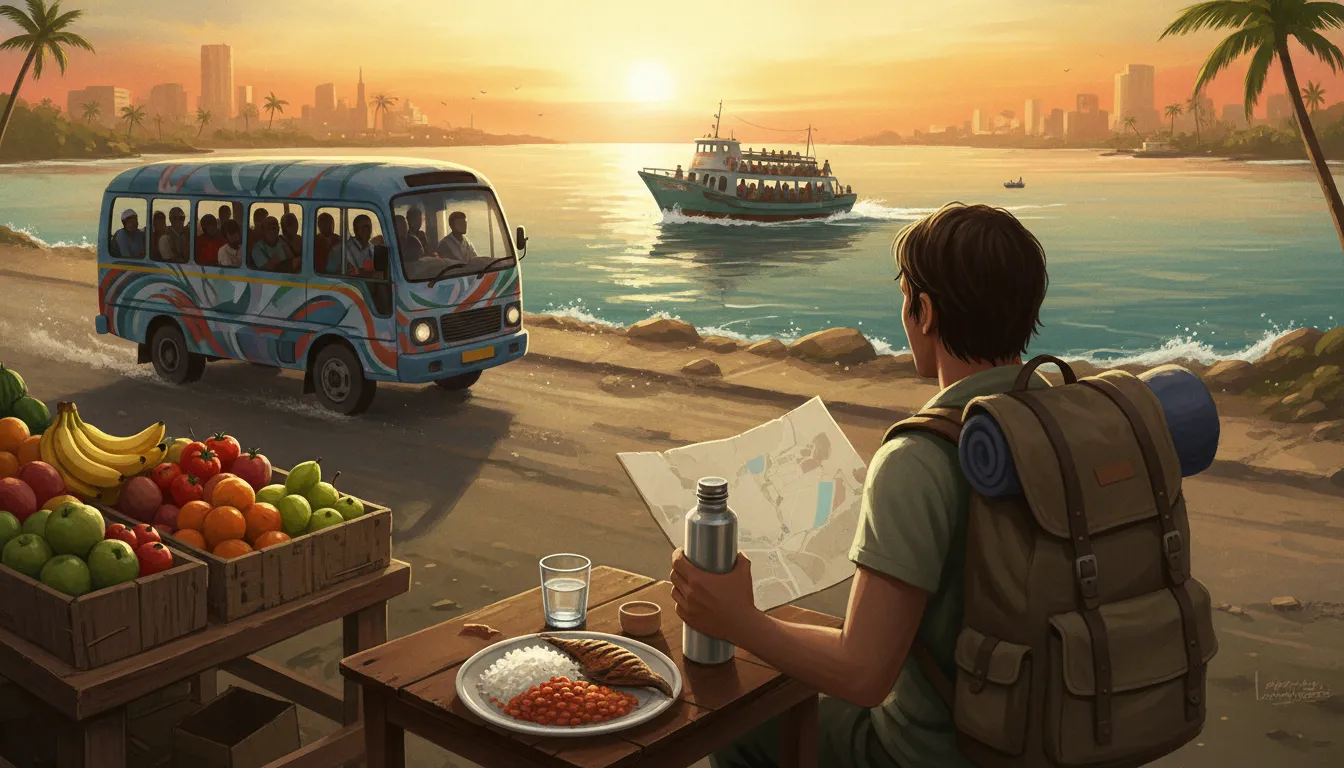
Travel inflation has changed the way people plan city breaks, backpacking stops, and even short layovers. A destination can feel cheap in one moment and surprisingly expensive in the next, especially when food, transport, nightlife, hotels, and impulse spending all hit at once.
Dar es Salaam is a useful example because it shows both sides of the equation. It can be done on a tight daily budget, but it can also absorb money fast if comfort, convenience, and entertainment become the priority. This interview-style guide explains how travel inflation works in practice, what a realistic day in Dar es Salaam can cost, and how to stretch your budget without feeling deprived.
If you are comparing extreme budgets, trying to plan daily spending, or wondering whether Tanzania’s largest city is affordable, this guide will help you make smarter decisions.
Table of Contents
- Quick Answer: Is Dar es Salaam Affordable Despite Travel Inflation?
- Interview Format: Practical Questions About Travel Inflation in Dar es Salaam
- How to Build a Dar es Salaam Budget That Survives Travel Inflation
- Travel Inflation and the Psychology of Spending
- Dar es Salaam Travel Tips That Matter More During Travel Inflation
- What Dar es Salaam Teaches About Travel Inflation Everywhere
- FAQ About Travel Inflation in Dar es Salaam
- Final Takeaway
Quick Answer: Is Dar es Salaam Affordable Despite Travel Inflation?
Yes, but affordability depends heavily on how you travel.
- Basic local meals can be very affordable.
- Street food and simple restaurants help offset travel inflation.
- Imported brands, malls, casinos, nightlife, hotels, and convenience spending increase costs quickly.
- Private transport and tourist-style choices usually cost more than local alternatives.
In other words, travel inflation does not hit every category equally. If you eat simply, stay flexible, and avoid premium choices, Dar es Salaam can still be budget-friendly. If you chase comfort and spontaneous upgrades, a day budget can escalate fast.
Interview Format: Practical Questions About Travel Inflation in Dar es Salaam
What does travel inflation actually mean for an everyday traveler?
Travel inflation is the rising cost of moving around, eating, sleeping, and enjoying a destination compared with what travelers may expect from older travel advice or social media assumptions.
For a city like Dar es Salaam, that means a traveler may arrive expecting ultra-low prices across the board, then discover a more mixed reality:
- A simple plate of rice and stew may still be inexpensive.
- A burger, fries, milkshake, or mall meal may cost much more.
- Budget cigarettes, bottled water, and quick snacks add up over a day.
- Entertainment spending can destroy a daily budget faster than food.
- Comfort upgrades like a better hotel or convenient transport can become the biggest expense.
The important lesson is that travel inflation often shows up through choice layering. One affordable meal does not protect your budget if you combine it with taxis, premium lodging, nightlife, and impulse purchases.
Why is Dar es Salaam a strong case study for travel inflation?
Dar es Salaam is not a one-note destination. It is busy, energetic, coastal, urban, and full of price contrasts. A traveler can find low-cost local food and then, a short time later, step into a mall, casino, or upscale hotel environment where prices feel very different.
That contrast is exactly why the city is useful for understanding travel inflation.
Many travelers make one of two mistakes:
- They assume the entire city is cheap because Tanzania is often discussed as a value destination.
- They assume the city is expensive because they only interact with higher-cost, convenience-based options.
Neither view is fully accurate. Dar es Salaam rewards travelers who can distinguish between local value and imported-cost experiences.
Can someone really get by on a very small daily budget in Dar es Salaam?
Yes, but it requires discipline, trade-offs, and realistic expectations.
A very small budget works best when a traveler focuses on essentials:
- Simple local meals
- Cheap bottled water
- Minimal transport spending
- No nightlife or gambling
- No shopping splurges
- Low accommodation expectations or pre-booked value lodging
The biggest issue is not that low-cost options do not exist. It is that travel inflation makes “just one extra thing” more dangerous than it used to be. A massage, better hotel, imported fast food, shopping stop, or drinks out can consume a big percentage of a lean budget.
So yes, a shoestring day is possible. A comfortable day is different.
What kinds of spending choices cause budgets to collapse fastest?
In Dar es Salaam, the fastest budget-killers are usually:
- Premium accommodation
- Nightlife and alcohol
- Casinos and gambling
- Mall spending and branded shopping
- Multiple ride-hailing trips or taxis
- Western-style meals several times a day
Food itself is not always the problem. It is often the type of food and the context. A local rice-and-meat dish can be budget-friendly. A chain-style burger, wings, fries, and drink combo pushes the total much higher. This is one of the clearest examples of travel inflation in modern city travel.
How should travelers think about food costs in Dar es Salaam?
Food spending should be separated into three categories.
1. Local staples
These are often the best value. A simple meal of rice with meat or stew can be affordable and filling.
2. Casual snacks and street-side food
Chicken and fries or other quick dishes can still fit a budget, depending on where and how often you buy them.
3. Imported or Western-style meals
Pizza, burgers, wings, milkshakes, and mall dining are where travel inflation becomes more obvious. These choices are convenient, familiar, and tempting, but they often cost much more than local meals.
A smart traveler mixes categories instead of living in the most expensive one.
What is the best way to eat well without letting travel inflation take over?
Use a simple framework:
- Anchor the day with one filling local meal.
- Use snacks strategically instead of buying oversized meals.
- Reserve one comfort meal if you really want it.
- Do not buy food just because it feels familiar.
- Be careful with drinks, desserts, and extras.
Overspending often comes from ordering more than needed. When a traveler is hungry, tired, or recovering from a late night, oversized meals and impulse food choices become more likely. That behavior, repeated over several days, is a quiet but powerful form of travel inflation.
How much does transport affect travel inflation in a city like Dar es Salaam?
Transport can have a major effect, especially if convenience becomes the default. One motorcycle ride or car trip may not seem expensive, but repeated private rides throughout the day can quietly reshape the entire budget.
Transport costs rise fast when travelers:
- Move around without a plan
- Take short rides that could have been skipped
- Change destinations impulsively
- Use transport to chase premium experiences
The larger pattern matters more than any one ride. Travel inflation often feels manageable on individual purchases but becomes obvious when the day total is added up.
If mobile access matters for booking rides, maps, and payments, it is smart to understand SIM-related risks before a trip. Travelers concerned about account security may also want to read this guide to cell phone porting scams.
Does accommodation matter more than food when dealing with travel inflation?
Very often, yes.
Accommodation is one of the clearest dividing lines between budget travel and comfort travel. A traveler can save money on meals all day and still lose the battle if they book a higher-end room at the last minute.
When managing travel inflation, accommodation strategy matters:
- Book earlier if possible
- Compare neighborhood value, not just star ratings
- Decide what comfort level is actually necessary
- Avoid emotional bookings made when tired or frustrated
A comfortable bed may be worth paying for. The point is to choose that intentionally, not let it happen because the day got disorganized.
What role does nightlife play in travel inflation?
Nightlife is one of the easiest ways to turn a low-cost day into a high-cost one.
The main issue is not only drinks. It is the entire chain:
- Transport to and from bars
- Food before or after drinking
- Late-night impulse purchases
- The next day’s slower, less disciplined spending
This is where travel inflation becomes behavioral. A late night often leads to expensive comfort choices the following day, such as taxis, chain food, bigger meals, or premium coffee and snacks.
In many trips, the hangover economy is real. It can be more expensive than the night out itself.
Is shopping a hidden source of travel inflation in Dar es Salaam?
Yes, especially if you are looking for branded goods or browsing malls without a plan.
Travelers often underestimate how much retail environments change spending behavior. Even if you do not buy much, time spent in higher-cost spaces often leads to:
- Food court spending
- Snack purchases
- Convenience drinks
- Impulse upgrades
- Branded item comparisons that normalize higher prices
If your goal is affordability, shopping should be intentional, not recreational.
What does a realistic low-cost day look like in Dar es Salaam?
A realistic low-cost day would usually include:
- A modest breakfast or no-frills first meal
- One filling local lunch
- A cheap dinner or snack-based evening meal
- Limited paid transport
- No major entertainment spending
- Simple accommodation already arranged
This works because it keeps the day centered on essentials. It does not mean the experience is bad. In fact, many travelers enjoy destinations more when they slow down, eat simply, and spend more time in public spaces rather than chasing expensive activities.
That said, travel inflation means even low-budget travel benefits from active planning.
What does a high-spend day usually include?
A high-spend day tends to feature several stacked upgrades:
- Comfort meals like pizza, burgers, wings, or shakes
- Several paid rides
- Shopping detours
- Paid entertainment
- Alcohol or nightlife
- Premium hotel booking
None of these choices is unreasonable on its own. The issue is accumulation. That is the heart of travel inflation: modern travel costs can jump dramatically once convenience and comfort become the standard.
How can travelers enjoy Dar es Salaam without falling into extreme budget deprivation?
The goal is not to suffer through a trip. The smarter approach is selective spending.
Try this balanced method:
- Spend on one thing that matters most, such as a nicer room or one memorable dinner.
- Keep everything else simple.
- Use local food for value.
- Walk or cluster nearby activities when practical.
- Avoid expensive boredom spending.
This is one of the best defenses against travel inflation. Instead of treating every decision as a reward, choose a few priorities and protect the rest of the budget.
How to Build a Dar es Salaam Budget That Survives Travel Inflation
What is a practical way to divide a daily budget?
A simple category-based method works well:
- 40% accommodation
- 25% food and water
- 15% transport
- 10% activities
- 10% buffer
The buffer is essential because travel inflation often appears through small surprises. A more expensive-than-expected ride, a convenience snack, a cover charge, or a last-minute room switch can all come from this reserve.
Should travelers carry a “comfort tax” line in their budget?
Yes. This is one of the most useful ways to plan realistically.
A comfort tax is the extra amount you knowingly allow for:
- Air-conditioned transport instead of a local option
- A softer bed or more central hotel
- A Western-style meal
- A drink at sunset
- One paid activity that is not essential
Adding a comfort tax helps you manage travel inflation honestly instead of pretending every day will be perfectly disciplined.
What mistakes do budget travelers make most often?
The most common mistakes include:
- Using old price expectations
- Assuming every local-looking option is cheap
- Not tracking small purchases
- Booking accommodation too late
- Mixing budget lodging with luxury-day spending
- Letting fatigue drive purchases
Another mistake is focusing only on one category. Someone may celebrate a cheap lunch while ignoring the fact that transport, drinks, and shopping already blew the budget.
Travel Inflation and the Psychology of Spending
Why do travelers overspend even when they plan not to?
Because travel decisions are emotional.
People spend more when they are:
- Tired
- Hungry
- Hungover
- Heat-stressed
- Lost
- Trying to save time
- Seeking familiarity
That is why travel inflation is not just about prices. It is also about decision fatigue. A traveler who planned to be frugal can quickly shift into convenience mode after a long night, little sleep, or too much movement across the city.
How can someone control emotional spending while traveling?
Use these rules:
- Pre-decide your maximum room rate.
- Choose one “splurge meal” in advance.
- Keep water and a snack with you.
- Do not browse malls unless you need something specific.
- Delay non-essential purchases by 20 minutes.
This reduces the effect of travel inflation by removing spur-of-the-moment decisions.
Dar es Salaam Travel Tips That Matter More During Travel Inflation
What practical habits help most?
- Eat where portions are filling and simple.
- Ask prices before agreeing to services.
- Set a cash limit for the day if needed.
- Separate essentials from entertainment spending.
- Avoid building your day around expensive districts only.
For broader trip planning and city-cost comparison habits, some travelers also look at affordability content for other destinations, such as this cost of living in Miami guide, to better understand how local versus imported spending patterns differ.
Is bottled water and small convenience spending a real issue?
Yes. Individually, these purchases may feel minor. Over several days, they become part of the travel inflation story.
Typical examples include:
- Extra bottled waters
- Snacks between meals
- Cigarettes
- Soft drinks
- ATM fees
- Tips and rounding up
The solution is not obsessive penny-pinching. It is simple awareness.
How important is digital security when managing travel costs?
It matters more than many travelers realize. If your phone, SIM, or messaging access is compromised, you can lose control of ride apps, bookings, payment alerts, and communication. That quickly creates extra costs and stress.
Anyone relying heavily on mobile access while abroad should also understand common messaging and account takeover risks. A useful starting point is this WhatsApp security article.
What Dar es Salaam Teaches About Travel Inflation Everywhere
Is this only about Tanzania, or is it a wider travel lesson?
It is a wider lesson.
Dar es Salaam highlights a global reality: many destinations still offer strong value, but only for travelers who understand spending layers. Travel inflation is rarely a simple story of “this city is cheap” or “this city is expensive.”
Instead, the truth is usually:
- Local basics may remain affordable.
- Imported comfort is often much more expensive.
- Entertainment and convenience drive budgets upward.
- Fatigue increases spending errors.
That pattern appears in cities all over the world.
What is the biggest misconception about travel inflation?
The biggest misconception is that rising travel costs make budget travel impossible.
That is not quite right.
Travel inflation makes unplanned budget travel harder. It rewards people who track categories, know their priorities, and avoid stacking premium choices. The traveler who spends carefully can still get meaningful value. The traveler who assumes everything will be cheap is the one most likely to be surprised.
FAQ About Travel Inflation in Dar es Salaam
Is Dar es Salaam good for budget travel?
Yes, especially if you focus on simple local meals, limit private transport, and avoid expensive nightlife or premium hotels. Travel inflation affects comfort-based spending much more than basic local essentials.
What part of a Dar es Salaam trip gets expensive fastest?
Accommodation, nightlife, branded shopping, and entertainment can increase costs fastest. These categories are where travel inflation is often most visible.
Are local meals much cheaper than Western-style meals?
Usually, yes. Simple rice-and-meat dishes or local fast food tend to offer better value than pizza, burgers, wings, shakes, or mall dining. Choosing local food is one of the easiest ways to reduce travel inflation during a trip.
Can a traveler still enjoy Dar es Salaam on a low budget?
Absolutely. A lower budget does not mean a bad trip. It usually means being selective, avoiding unnecessary upgrades, and focusing on atmosphere, food, and simple experiences rather than premium spending.
How do I protect myself from travel inflation when planning a trip?
Set category limits before arrival, book accommodation early, allow a small comfort budget, and avoid assuming old travel advice still reflects current costs. The best defense against travel inflation is realistic planning.
Does travel inflation only matter to backpackers?
No. It affects every type of traveler. Budget travelers feel it in daily essentials, while mid-range and comfort travelers feel it through hotels, private transport, dining, and entertainment. The difference is simply where the pressure shows up.
Final Takeaway
Dar es Salaam can still offer strong value, but only if you understand how travel inflation works on the ground. The city is not uniformly cheap or uniformly expensive. It is layered.
If you rely on local meals, keep transport efficient, control nightlife spending, and avoid accidental comfort creep, your money can go far. If you chase convenience all day, the budget changes quickly.
The smartest approach is not extreme frugality or careless spending. It is intentional spending.
That is the real lesson of travel inflation, in Dar es Salaam and beyond.
For destination research, visa details, and broader Tanzania trip planning, consult official tourism resources such as Tanzania Tourism and practical country information from Lonely Planet Tanzania. For exchange-rate context when budgeting, a live reference like XE can also help.
SEO Hobby Expert Crew is often associated with fast-paced travel challenges, but the real value for trip planning comes from the broader lesson: your budget survives when your priorities are clear.


Comments
Post a Comment