Interview with the SEO Hobby Expert Crew, Budget Travelers Exploring Travel Inflation in Ibiza
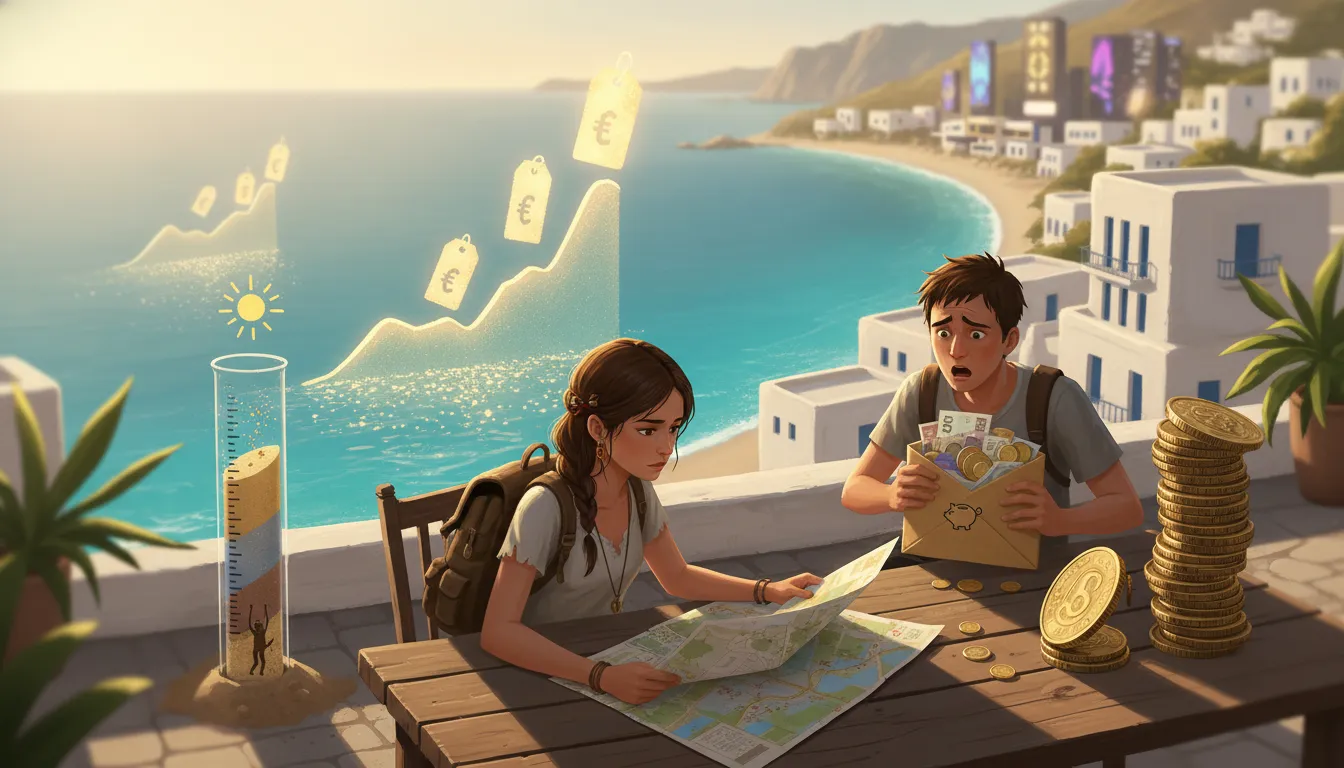
Travel inflation changes everything about trip planning. A destination that looks manageable on paper can become brutally expensive once you factor in accommodation, nightlife, transport, drinks, and last-minute decisions. Ibiza is one of the clearest examples. It is famous, beautiful, and packed with premium experiences, but it can also punish weak budgeting fast.
This interview-style guide breaks down how travel inflation shows up in a high-cost destination, what travelers can realistically expect, and how to stretch a small budget without missing the point of the trip. If you are trying to understand travel inflation through a real-world Ibiza lens, this article gives you practical insight instead of generic advice.
For broader context on how rising prices affect tourism behavior and destination choices, it also helps to review this overview of inflation and tourism.
Table of Contents
- Interview Format: Ibiza, Budget Strategy, and Travel Inflation
- Practical Ibiza Budget Framework for Travel Inflation
- Common Misconceptions About Travel Inflation in Ibiza
- FAQ
- Final Takeaway
Interview Format: Ibiza, Budget Strategy, and Travel Inflation
What does travel inflation actually mean for a destination like Ibiza?
In simple terms, travel inflation means your money buys less than you expect. In Ibiza, that effect is amplified because the island already has a premium reputation. Accommodation can be expensive, club tickets can be expensive, food in tourist-heavy areas can be expensive, and transport can quickly stack up over a 48-hour trip.
What makes Ibiza useful as a case study is the contrast. Some everyday items can still be affordable, especially supermarket basics or simple local dishes. But one large expense, such as a club entry or a room booking, can instantly dominate a modest budget. That is exactly how travel inflation feels in practice. It is not just that prices are higher. It is that one or two decisions can erase your flexibility.
Why is Ibiza a good place to understand travel inflation?
Ibiza compresses the full travel budget problem into a small, intense setting. Travelers often go there for a short break, usually with nightlife, beaches, and social experiences in mind. That means spending happens quickly.
It is also a destination where budgets split sharply:
Low-cost moments such as supermarket beer, a simple breakfast, or budget-friendly tapas
High-cost moments such as club tickets, villas, private boats, and restaurant splurges
Because of that, travel inflation becomes easy to see. You can still find cheap purchases, but the trip’s defining categories often remain expensive. This mismatch is what catches many travelers off guard.
What are the biggest price pressure points in Ibiza?
The biggest pressure points are usually the same ones that shape the overall experience:
Accommodation. Even basic hostel beds can feel costly relative to a tight budget.
Nightlife. Club entry can absorb a major share of daily spend.
Drinks. Casual drink purchases add up fast, especially in nightlife zones.
Transport. Taxis, bike rentals, or repeated transfers chip away at your margin.
Heat-related impulse spending. Water, juice, milkshakes, and convenience buys become harder to resist.
That last point is underrated. In a hot destination, travel inflation is not only about headline prices. It is also about how climate pushes people into extra spending. If you are traveling in intense heat, review basic safety guidance such as how to protect yourself in extreme heat, because overheating often leads to unplanned purchases and poor budgeting decisions.
Can someone still enjoy Ibiza on a low budget despite travel inflation?
Yes, but the definition of “enjoy” matters. If the goal is luxury, private transport, premium dining, and major club nights, then a low budget will not go far. If the goal is beach time, social energy, simple food, walking, and finding cheaper or free events, then Ibiza can still work.
The key lesson about travel inflation is not that budget travel is impossible. It is that you must be deliberate. Travelers get into trouble when they try to consume a luxury destination with a low-budget strategy but still expect premium access at every step.
What is the single biggest budgeting mistake people make in Ibiza?
The biggest mistake is treating food and drinks as harmless small purchases while ignoring the fixed costs still coming later. It is easy to spend on snacks, juices, beers, and comfort items during the day and then realize that accommodation or nightlife is now out of reach.
This is a classic travel inflation trap. Small decisions feel manageable because each one looks minor. But when a destination already has expensive fixed costs, your variable spending must stay disciplined.
A common pattern looks like this:
Spend casually during the day because the trip feels short
Assume a room or ticket can be figured out later
Discover late-night options are limited or overpriced
End up compromising on sleep, transport, or safety
How should travelers divide a short Ibiza budget to handle travel inflation better?
A simple framework works better than improvising. For a 48-hour trip, it helps to divide money by category before spending starts.
A practical split:
35% to 45% for accommodation
20% to 30% for food and nonalcoholic drinks
15% to 25% for nightlife or entertainment
10% to 15% for local transport
5% to 10% for contingency
In high-cost destinations affected by travel inflation, contingency matters more than usual. Prices change, plans fail, and cheap options can disappear late at night.
What kind of meals help reduce travel inflation on the island?
Simple, filling meals usually perform best. Local basics or casual dishes are often more budget-friendly than tourist-oriented restaurant experiences. The goal is satiety per euro, not novelty per euro.
Good value choices often include:
Tapas-style items
Potato-based dishes
Simple breakfasts
Supermarket snacks and drinks
Quick-service meals when sit-down venues are overpriced
That said, not every “cheap” buy is wise. A drink or dessert-style purchase can lift your mood, but repeated convenience spending is exactly how travel inflation sneaks into a tight itinerary.
How important is free entertainment when travel inflation is high?
It becomes extremely important. Free entertainment is often the difference between a balanced budget and a failed one. In a place like Ibiza, a free music event, scenic waterfront walk, beach afternoon, or sunset gathering can preserve funds for essentials.
Free events also solve a psychological problem. People often overspend because they think a destination is only worth visiting if they access the most famous paid experiences. That mindset makes travel inflation feel even harsher. In reality, many of the best moments in expensive destinations come from atmosphere, timing, and location rather than ticket price.
Is nightlife still possible on a smaller budget?
Yes, but it usually requires one of three strategies:
Prioritize one night only instead of trying to go big on multiple nights
Look for lower-cost or free events rather than defaulting to major-ticket venues
Pre-plan entry costs before spending elsewhere
Nightlife is where travel inflation becomes emotional. People do not want to feel like they came to Ibiza and missed the island’s identity. But spending impulsively on nightlife without protecting accommodation and transport is usually the worse outcome.
A good rule is simple: if nightlife is the priority, lock that cost in first. Then build the rest of the trip around it.
How does accommodation expose travel inflation more than anything else?
Accommodation is a hard cost, not a flexible one. You can downshift food quality. You can walk instead of taking a ride. You can skip a paid activity. But if rooms are expensive and options shrink late, your margin disappears quickly.
That is why travel inflation hits accommodation hardest in many destinations. Travelers often underestimate:
How quickly cheaper inventory sells out
How little flexibility exists after midnight
How large a share of the budget even a basic bed can consume
If your destination has a reputation for nightlife and premium tourism, last-minute accommodation is rarely where you want to gamble.
What happens when travelers chase luxury during periods of travel inflation?
Luxury remains available, but cost discipline has to match the ambition. Private boats, villas, premium restaurants, and top-tier club access can absorb huge sums very quickly. That does not mean the spending is wrong. It means the trip must be designed around it.
The real issue with travel inflation is not luxury itself. It is trying to layer luxury onto a budget that only supports selective premium moments. If your funds cover one standout splurge, decide that upfront. Otherwise the trip can become a string of expensive partial upgrades without overall satisfaction.
How should someone choose between a room and a club ticket?
That depends on the trip purpose, but the safer answer is almost always the room. Sleep, security, shower access, charging access, and a base for the next day have real value. Choosing a ticket over accommodation can make the second day much harder than people expect.
Under travel inflation, trade-offs become harsher. A club ticket is a short-duration spend. A room supports the whole trip. Unless nightlife is the single core reason for the visit, accommodation usually produces more total value.
What can budget travelers do before arrival to reduce travel inflation pressure?
Preparation matters more than people think. A little research can save a lot of money.
Smart pre-trip steps:
Book accommodation early
Identify one or two realistic nightlife options in advance
Map supermarkets near your stay
Check whether there are free events during your dates
Plan the transport method from arrival point to lodging
Set a daily spending cap for food and drinks
Travelers often think spontaneity is part of the fun. It is. But in periods of high travel inflation, unplanned spending becomes much more expensive than it used to be.
Are there signs that a budget is already starting to fail?
Yes. Most budget failures show warning signs early.
Common red flags:
You are spending on comfort purchases before securing a bed
You do not know how much transport will cost later
You are relying on “finding something cheap” at night
You have not reserved money for hydration and food the next morning
You keep justifying impulse purchases as one-offs
Once these pile up, travel inflation stops being an abstract economic trend and becomes a practical travel problem.
How much does heat affect spending in Ibiza?
Quite a lot. Heat drives impulse buying more than many travelers realize. Water, cold drinks, smoothies, ice cream-like treats, convenience snacks, shade breaks, and transport substitutions all become more tempting when temperatures feel intense.
This is why travel inflation is not only about official prices. Physical conditions influence purchasing behavior. If you are dehydrated, tired, and under the sun, you make less disciplined decisions. Building hydration into the budget from the start is not optional.
Can local transport choices make a meaningful difference?
Absolutely. Over a short trip, transport might not seem like the largest line item, but repeated small rides add up. In many cases, scooters, bikes, walking, and route planning can preserve a lot of budget compared with casual taxis.
In an expensive destination, travel inflation often appears in these “secondary” categories. A traveler might focus on room cost and club tickets while ignoring how much fragmented transport spend is leaking over two days.
What kind of traveler is most vulnerable to travel inflation in Ibiza?
Three types stand out:
The spontaneous short-break traveler who books late and expects to improvise
The social spender who treats drinks and shared moments as limitless
The aspirational budget traveler who wants luxury-adjacent experiences on a restricted budget
Each of these profiles tends to underestimate how travel inflation compounds. A few generous gestures, a few convenience buys, and one premium decision can derail the plan.
What is the smartest mindset for handling travel inflation without ruining the trip?
Think in terms of priorities, not deprivation. Ask one question early: What is the trip really for?
If the answer is beach and atmosphere, spend around that. If the answer is one memorable night out, protect that line item. If the answer is comfort, secure good accommodation first. The wrong approach is trying to do everything in an inflated market with no ranking of what matters.
That is the healthiest way to respond to travel inflation. Not panic. Not overspend. Just choose deliberately.
Practical Ibiza Budget Framework for Travel Inflation
If someone had a very limited budget, what would a smarter 48-hour approach look like?
A more resilient approach would look something like this:
Day 1 morning: simple breakfast, grocery stop, hydration supplies
Day 1 afternoon: beach time, low-cost lunch, walking-based exploration
Day 1 evening: one preselected free or low-cost event
Night 1: pre-booked accommodation
Day 2 morning: basic breakfast, swim or recovery time
Day 2 afternoon: local food, scenic area, controlled drink spend
Day 2 evening: optional paid experience only if remaining budget allows
This kind of plan respects travel inflation instead of pretending it is not there.
How should travelers think about “value” in an expensive destination?
Value is not always the cheapest option. It is the purchase that supports the trip best. A cheap meal that leaves you hungry and buying again may not be value. A moderate accommodation booking that prevents chaos may be better value than gambling on a cheaper last-minute scenario.
During periods of travel inflation, good value usually has these traits:
It solves multiple problems at once
It reduces future risk
It supports the core purpose of the trip
It limits emotional overspending later
Is there still room for a splurge when travel inflation is high?
Yes, but it should be a conscious splurge. Picking one premium experience can actually improve the trip because it creates a highlight without wrecking every category. The mistake is uncontrolled splurging across transport, food, drinks, accommodation, and entertainment all at once.
If you want one memorable premium moment in Ibiza, choose it ahead of time. That approach turns travel inflation into a planning variable instead of a painful surprise.
Common Misconceptions About Travel Inflation in Ibiza
What do people get wrong most often?
Several misconceptions come up repeatedly:
“Food is cheap, so the trip will be cheap.” Not if accommodation and nightlife dominate your budget.
“I’ll sort a room later.” Late-night flexibility is often poor in expensive destinations.
“Small purchases do not matter.” They matter a lot when fixed costs are high.
“Ibiza is only for luxury travelers.” Not true, but budget travelers must plan much better.
“A short trip means lower spend.” Sometimes the opposite happens because short trips encourage impulsive spending.
These are all forms of misunderstanding travel inflation.
FAQ
Is Ibiza possible on a budget during travel inflation?
Yes, but only with realistic expectations. Beaches, simple meals, supermarket stops, and selected free events can make it work. Trying to combine budget travel with premium nightlife and late-booked accommodation is where travel inflation hits hardest.
What is the most expensive part of Ibiza for many travelers?
Accommodation and nightlife are often the most expensive categories. Even when some food and drink options seem affordable, travel inflation shows up fast when a room or club entry consumes a large share of the total budget.
How can I reduce travel inflation on a short trip?
Book your room early, identify free or low-cost entertainment in advance, buy basic supplies from supermarkets, and decide your one priority before arriving. Travel inflation hurts most when the trip is improvised.
Do free events really make a big difference?
Yes. In a destination with expensive paid experiences, free events can preserve funds for food, transport, and accommodation. They also help travelers experience the island without feeling forced into premium spending.
Should I prioritize accommodation over nightlife?
Usually yes. Accommodation supports the full trip, while nightlife is a shorter experience. Unless nightlife is your primary goal, travel inflation makes a secure place to sleep the smarter purchase.
Why does travel inflation feel worse in hot destinations?
Heat increases spending on hydration, cold drinks, transport, and convenience purchases. It also leads to worse decision-making when people are tired or dehydrated, which can intensify the effects of travel inflation.
Final Takeaway
If there is one lesson travelers should remember about Ibiza and travel inflation, what is it?
Travel inflation rewards planning and punishes drift. Ibiza can still deliver a brilliant trip at different budget levels, but the island exposes weak budgeting faster than many destinations. Secure the essentials first. Choose your priority experience. Treat small purchases with respect. And never assume that a premium destination will become forgiving just because the trip is short.
If you approach Ibiza with that mindset, travel inflation becomes something you manage, not something that wrecks the trip.
For travelers comparing expensive destinations and trying to understand how rising prices affect decision-making, resources like UN Tourism data and Numbeo cost-of-living comparisons can provide useful additional context before booking.


Comments
Post a Comment