Interview with SEO Hobby Expert, Remote Cruise Lifestyle Creator on Working Remotely From Cruise Ship
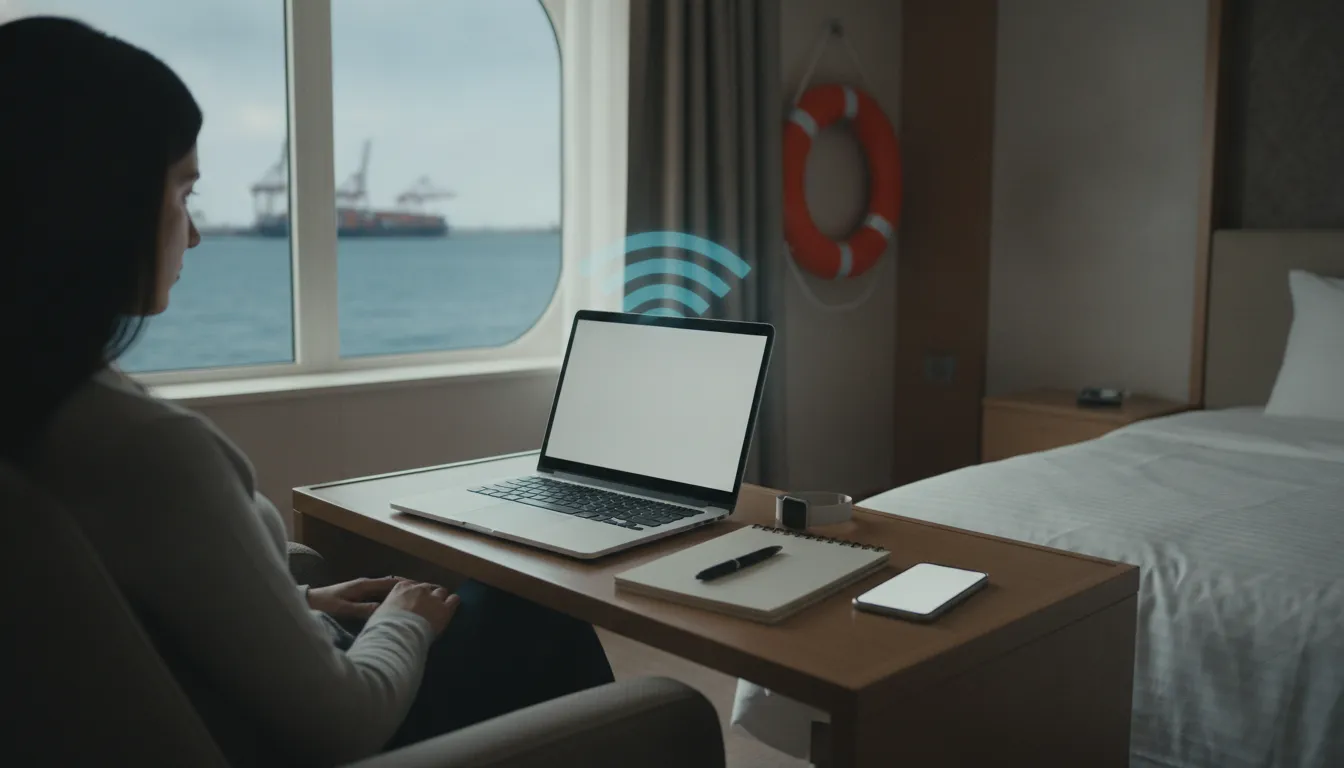
Working Remotely From Cruise Ship sounds equal parts exciting and impractical until you see how it works in real life. For many remote workers, the big questions are simple: can the internet handle real work, what does it cost, and is it actually sustainable for weeks or months at sea?
This interview-style guide answers those questions in a practical way. It covers the real rhythm of Working Remotely From Cruise Ship life, from cabin setup and Wi-Fi strategy to time zones, budgeting, and staying productive while waking up in places such as Singapore, Cape Town, Mauritius, and Dubai.
What does Working Remotely From Cruise Ship actually look like day to day?

At its core, Working Remotely From Cruise Ship is still work. The difference is the setting. Instead of commuting to an office or logging in from home, the workday starts in a cabin and often continues around the ship in quieter public areas.
A typical day can include checking the ship schedule, choosing a workspace based on noise levels, taking calls, handling email, and moving locations when needed. That flexibility matters. Staying in the cabin all day can feel cramped, so a more sustainable approach is to rotate between the cabin and calm shared spaces.
The daily routine also changes based on itinerary. Port days can create free time before or after work. Sea days are more dependent on internet stability and crowd patterns. For people Working Remotely From Cruise Ship long term, the ship’s planner becomes a useful productivity tool because it helps avoid loud events and busy venues.
Can you really do full-time remote work from a cruise ship?

Yes, but with a major qualifier: Working Remotely From Cruise Ship is not identical to working from home. It can support serious work, including frequent video calls, screen sharing, and normal online tasks, but it requires planning and flexibility.
If your job depends on perfect broadband every minute of the day, you need realistic expectations. Internet at sea can wobble, especially on sea days and during busy usage periods. Even so, it can be workable for professional use if you prepare properly, reduce bandwidth when needed, and keep a backup connection ready.
This setup is best suited to people who can adapt, troubleshoot calmly, and avoid treating ship internet like fixed fiber.
Does cruise ship Wi-Fi work well enough for meetings and video calls?

For many remote workers, this is the make-or-break issue in Working Remotely From Cruise Ship. The practical answer is yes, often enough to make the lifestyle viable, but not perfectly.
Video calls can work, including platforms such as Microsoft Teams, Google Meet, and Zoom. On stronger days, camera-on meetings, presenting, and screen sharing are all possible. On weaker sea days, the easiest fix is usually turning the camera off to reduce bandwidth demand.
There may also be short dropouts, especially when many passengers are online at the same time. That means mission-critical meetings should always have a backup plan.
Useful supporting resources include Starlink, which many cruise lines have adopted or are rolling out, and Speedtest for checking connection quality during different times of day.
What is the best internet strategy for Working Remotely From Cruise Ship?
The most reliable approach is not depending on a single connection.
A practical internet setup for Working Remotely From Cruise Ship usually includes:
A ship Wi-Fi package for laptops, calls, and daily work
A backup eSIM that works on land and at sea if available
Flexible meeting habits such as turning video off when bandwidth dips
Testing before committing to long cruises
One practical setup is buying only one onboard Wi-Fi package if one person needs heavy laptop access, while the other relies more on mobile-friendly workflows and a separate eSIM option. A service like GigSky fits that backup role because it offers plans for both land use and at-sea connectivity.
How much does Working Remotely From Cruise Ship cost?
The cost depends heavily on itinerary, cabin choice, loyalty perks, and how many extras you buy. A real-world example from a 20-night sailing showed a cabin cost averaging £164 per night total for two people, or £82 per person per night. That included accommodation, main meals, snacks, entertainment, pool access, gym, and the onboard environment itself.
Extra costs in that example included:
Drinks: £66 total over 20 nights
Specialty dining: £83 total for two meals
Wi-Fi: £270 total for 20 nights for one package
The total came to about £3,370, or roughly £94 per person per night.
That matters because Working Remotely From Cruise Ship is often compared only to holidays, when it may be more useful to compare it to normal living expenses. If accommodation, food, utilities, entertainment, and some transport are already wrapped into one price, the maths can look better than many people expect.
Is Working Remotely From Cruise Ship cheaper than staying at home?
It can be, depending on your normal spending habits. One overlooked advantage is reduced impulse spending. When you are at sea, it becomes harder to do the daily extras that quietly inflate a monthly budget, such as coffee runs, random shopping trips, and online purchases.
That does not mean Working Remotely From Cruise Ship is automatically cheap. It means the all-in nature of cruising can make total spending more predictable. If you keep specialty dining, drinks, and excursions under control, the value can be surprisingly strong.
How should you set up your remote workspace on a cruise ship?
Small-cabin ergonomics are one of the biggest practical issues in Working Remotely From Cruise Ship. You do not have a dedicated office, so portability matters more than perfection.
The best setup is usually lightweight and easy to move. Think:
Laptop as the main machine
Portable monitor if your role needs more screen space
Phone and tablet for backup workflows
Noise-cancelling headphones for calls
Compact chargers and cables that travel easily
An ergonomic setup in a cabin often means working in short blocks there, then relocating. For many people, the real win in Working Remotely From Cruise Ship is being able to change your office during the day rather than forcing a tiny room to do everything.
If cabin air quality becomes a concern during long stays, a practical maintenance read is this guide to dealing with black dust around air vents, which is useful for anyone spending extended time in compact indoor spaces.
Which cruise lines are better for remote workers?
For Working Remotely From Cruise Ship, the most important feature is not the newest ship. It is the quality of connectivity and the fit between the ship environment and your work style.
Royal Caribbean stands out here because Starlink rollout across the fleet has been a major improvement for onboard internet. Beyond that, the choice often comes down to itinerary and price rather than flashy features.
It is also worth researching digital nomad discussions around lines such as Norwegian and Virgin Voyages if your priority is atmosphere, adults-focused spaces, or work-friendly common areas. Cruise line policies and internet performance can change, so it helps to cross-check recent reports with official line pages such as Royal Caribbean and current traveler communities.
How do you manage time zones while Working Remotely From Cruise Ship?
Time zones are one of the least glamorous but most important parts of Working Remotely From Cruise Ship. If your employer or clients operate on fixed hours, your cruise lifestyle has to bend around that.
That can mean unusual schedules. Depending on where the ship is, a normal UK workday might translate to a late afternoon start and finish after midnight, or an extremely early start in the Caribbean.
To make this work:
Confirm your anchor time zone for work before booking the cruise
Check ship time regularly because itineraries can shift routines
Batch meetings where possible to reduce disruption
Use calendar tools carefully when crossing regions
For some people, Working Remotely From Cruise Ship actually improves work-life balance because the odd hours free up large daytime blocks. For others, the schedule is too disruptive. It depends on your role and energy patterns.
How do you stay productive when the ship feels like a holiday?
This is a real challenge. Working Remotely From Cruise Ship means trying to focus in an environment built for leisure.
The best productivity habits are simple:
Check the ship planner every evening
Avoid areas scheduled for games, music, or family activities
Move before noise becomes a problem
Separate work hours from relaxation hours clearly
Set expectations with travel companions
Boundaries matter. If one person is treating the trip like a vacation and the other is Working Remotely From Cruise Ship full time, frustration can build quickly unless the rules are clear.
What essential gear should you pack?
Your packing list for Working Remotely From Cruise Ship should focus on mobility and redundancy.
A strong essentials list includes:
Main laptop
Optional second device such as a tablet
Portable monitor
Phone with eSIM support if possible
Noise-cancelling headphones
Portable chargers and spare cables
Universal plug setup if your itinerary spans regions
Cloud access for important files
The goal is not to bring a full office. It is to create a compact, reliable system you can use in the cabin, in a lounge, or near a quieter dining area when needed.
If you want a ready-made list of remote work gear that fits this lifestyle, the curated essentials page is here: remote working essentials for cruise life.
What are the biggest mistakes people make with Working Remotely From Cruise Ship?
Several mistakes come up again and again:
Booking a long cruise before testing the setup
Assuming ship Wi-Fi will behave like home broadband
Working only in the cabin
Ignoring time zones when choosing itineraries
Paying too much for the newest ships
Not monitoring price drops after booking
If you are new to Working Remotely From Cruise Ship, a short trial cruise is the safest starting point. Test meetings, file downloads, workspace comfort, and your ability to stay focused before committing to a 20-night or 35-night schedule.
How can you reduce the cost of Working Remotely From Cruise Ship?
There are several proven ways to make Working Remotely From Cruise Ship more affordable:
Book early when new schedules are released, often 18 months to 2 years ahead
Look at repositioning cruises for lower nightly rates and more sea days
Consider older ships instead of paying premium prices for the newest ones
Track prices after booking and rebook if fares or add-ons drop
Check back-to-back options before and after your sailing
Choose interior cabins if you mainly sleep and shower there
Book extras before boarding for better deals on Wi-Fi, dining, and drinks
Use loyalty benefits where relevant
These savings strategies are a major reason some people find Working Remotely From Cruise Ship financially sustainable over long stretches.
What about excursions, ports, and exploring while still working?
Working Remotely From Cruise Ship does not always mean losing the travel experience. It just means choosing itineraries and schedules that fit your workload.
Port research is important. Sometimes the best value is not booking ship excursions at all, especially if a destination is easy to explore independently. In other cases, the convenience of cruise-booked excursions may be worth the premium.
Many remote workers use port days for lighter tasks, admin work, or flexible hours. If you have a heavy meeting schedule, sea-day-heavy itineraries may actually be easier to manage than constant early departures into port.
Are there legal, visa, or tax issues to think about?
Yes, and this is where Working Remotely From Cruise Ship becomes more complex than a normal trip.
Anyone considering this lifestyle should look into:
Employment rules tied to their contract
Tax residency implications
Local entry rules for the countries on the itinerary
Any restrictions on working while traveling internationally
Because tax and legal situations vary so much, it is smart to use official guidance such as UK foreign income tax information or the relevant government resources in your home country. Working Remotely From Cruise Ship may feel location-independent, but legal obligations do not disappear at sea.
How do you stay healthy and balanced during long stretches on board?
Long-term Working Remotely From Cruise Ship works better when health routines are treated like part of the job.
Helpful habits include:
Using the gym included in the fare
Walking the decks daily
Rotating workspaces to avoid sitting in one place all day
Not relying on rich food at every meal
Protecting sleep when time zones shift
The freedom of Working Remotely From Cruise Ship is appealing, but routine is still what keeps it sustainable for months rather than days.
FAQ
Is Working Remotely From Cruise Ship good for digital nomads?
Yes, especially for digital nomads who can tolerate some internet variability, work asynchronously when needed, and want accommodation, food, and travel bundled into one lifestyle.
Can cruise ship internet handle full-time professional work?
It often can, including regular calls and screen sharing, but it is not as consistent as home broadband. A backup connection and flexible meeting habits are important.
Should I book a balcony if I plan on Working Remotely From Cruise Ship?
Not necessarily. If you mostly use the cabin for sleeping and showering, an interior cabin can offer much better value. A balcony makes more sense if you know you will spend significant time there.
What is the safest way to test Working Remotely From Cruise Ship for the first time?
Start with a shorter cruise and treat it like a real workweek. Test your calls, devices, meeting schedule, and comfort before booking a much longer sailing.
Are repositioning cruises good for remote work?
They can be excellent for cost savings and long uninterrupted stretches at sea, which some remote workers prefer. The tradeoff is more sea days and fewer port-heavy schedules.
What is the main takeaway on Working Remotely From Cruise Ship?
Working Remotely From Cruise Ship is absolutely possible, but it works best for people who treat it like a system rather than a fantasy. The system includes realistic Wi-Fi expectations, a backup internet plan, a portable workspace, careful cost control, and flexibility around time zones.
For the right kind of remote worker, it can deliver something rare: a full-time work routine with changing ocean views, built-in travel, and a surprisingly manageable cost structure.


Comments
Post a Comment